

Nextdocs Design Tool Pros and Cons: Essential Insights for 2026
The world of digital design tools is growing fast, offering new ways to build, manage, and deliver digital content. Among these, the Nextdocs Design Tool stands out for its focus on compliance-heavy industries like life sciences, healthcare, and regulated enterprises. Many businesses look for software that makes document management and workflow design simple, but not every tool suits every need. If you’re considering Nextdocs for your organization, it’s smart to weigh both the advantages and limitations before committing.
Let’s explore the pros and cons of the Nextdocs Design Tool in detail, so you can make an informed decision that matches your team’s needs and goals.
What Is Nextdocs Design Tool?
Nextdocs Design Tool is a specialized software platform for designing, managing, and automating regulated content and document workflows. It’s built mainly for industries that deal with strict compliance requirements—like pharmaceuticals, biotech, and medical devices. The tool helps organizations create custom forms, automate approval processes, and control document lifecycles, all while ensuring regulatory standards are met.
Unlike generic document management systems, Nextdocs integrates compliance checks, audit trails, and validation features, making it appealing for companies needing to meet FDA, EMA, or similar regulations. It often works alongside Microsoft SharePoint, extending its core features to meet industry-specific needs.
Main Features Of Nextdocs Design Tool
To understand its strengths and weaknesses, let’s first look at what the tool offers:
- Workflow automation for approvals and reviews
- Custom form and template design
- Integrated compliance controls
- Audit trails and reporting
- Role-based access management
- Electronic signatures
- Collaboration tools
- Version control and document history
- Integration with Microsoft SharePoint
- Support for regulated environments (e.g., 21 CFR Part 11)
Each feature is designed to help companies manage complex documents and processes with confidence.
Pros Of Nextdocs Design Tool
The advantages of Nextdocs are most clear for organizations in regulated industries. Here’s a closer look at the main benefits:
1. Strong Compliance Support
Nextdocs is built with regulatory compliance in mind. It provides features like audit trails, validation tools, and electronic signatures that help organizations meet laws such as FDA 21 CFR Part 11 and EU Annex 11. Compliance is not an afterthought—it’s a core part of the design.
This is especially important for life sciences companies, where failing to meet regulations can lead to fines or product recalls. The software can help prevent these costly mistakes by enforcing correct procedures and keeping detailed records of every action.
2. Custom Workflow Automation
With Nextdocs, you can automate complex document approval and review processes. The tool lets you design custom workflows using a visual interface, so you don’t need advanced programming skills to set up or change processes. For example, you can:
- Route documents for multi-step approvals
- Automatically assign tasks based on user roles
- Set reminders or escalations if deadlines are missed
This automation reduces manual work, speeds up processes, and lowers the risk of human error.
3. Deep Integration With Sharepoint
Nextdocs extends Microsoft SharePoint’s core capabilities, adding specialized features for regulated document management. If your organization already uses SharePoint, you can leverage its familiar interface while gaining access to extra compliance controls.
This integration supports:
- Single sign-on and centralized user management
- Document libraries with advanced metadata
- Seamless file sharing and collaboration
It allows teams to transition smoothly without retraining everyone from scratch.
4. Detailed Audit Trails
Keeping track of who did what, when, and why is essential in regulated industries. Nextdocs logs every action—such as edits, approvals, and comments—so you can easily generate reports for internal reviews or audits.
For example, if an inspector asks who approved a clinical trial protocol, you can show the full history, including timestamps and user details. This not only supports compliance but also increases trust in your processes.
5. Secure Role-based Access
Not all documents should be visible to everyone. Nextdocs uses role-based access control to restrict what users can see or do. You can define roles (like author, reviewer, or approver) and set permissions for each.
This helps protect sensitive data, reduces the risk of leaks, and ensures only authorized people can make changes.
6. Electronic Signatures
The tool includes built-in support for electronic signatures that meet regulatory standards. This makes it possible to sign off on documents digitally, with full traceability.
Electronic signatures speed up approval cycles, reduce paper use, and support remote work—all while remaining legally valid in regulated industries.
7. Collaboration Tools
Nextdocs supports real-time collaboration. Multiple users can review and comment on documents, track changes, and resolve issues in one place. This reduces back-and-forth emails and helps teams stay aligned.
8. Flexible Template And Form Design
You can create custom document templates and forms that match your organization’s needs. This ensures consistency across documents and helps standardize data collection.
For example, you might design templates for clinical trial protocols, SOPs, or training records, making it easier to maintain quality.
9. Scalability
Nextdocs is designed for both small teams and large enterprises. As your organization grows, you can add more users, workflows, and document types without rebuilding the system.
10. Reliable Customer Support
Many users praise the quality of Nextdocs’ customer support, especially for onboarding, training, and troubleshooting. This makes the learning curve less steep and helps teams get value from the tool faster.
Cons Of Nextdocs Design Tool
No software is perfect. While Nextdocs has many strengths, there are also limitations and challenges to consider.
1. High Cost
Nextdocs is a premium product, and its pricing reflects the specialized features it offers. Costs can be significant, especially for small organizations or those with limited budgets.
There are often additional charges for:
- User licenses
- Advanced modules
- Custom integrations
- Ongoing support
For some companies, the price may outweigh the benefits—especially if compliance needs are not as strict.
2. Steep Learning Curve
While the interface aims to be user-friendly, Nextdocs can be complex due to the number of features and configuration options. New users may find it overwhelming, especially those without experience in regulated environments or document management systems.
Training is often required, and it may take weeks or months for teams to use the tool efficiently.
3. Heavy Dependence On Sharepoint
Nextdocs is designed to work alongside SharePoint. This is a strength for organizations already using Microsoft infrastructure, but it can be a barrier for others.
If you do not use SharePoint, you may need to purchase and set up additional software, increasing costs and complexity.
4. Limited Customization Outside Regulated Use Cases
The tool’s strengths are in regulated document workflows. If your needs are outside this area—for example, creative content management or simple file storage—Nextdocs may feel restrictive.
Customization options are available but often require technical support or additional costs.
5. Integration Challenges
Integrating Nextdocs with other enterprise systems (like ERP, CRM, or legacy databases) can be challenging. While there are APIs and connectors, complex integrations may require custom development, which adds time and expense.
6. Performance Issues With Large Data Sets
Some users have reported slow performance when handling very large numbers of documents or complex workflows. This can impact productivity, especially if your organization manages tens of thousands of files.
Optimizing performance may require careful planning and regular maintenance.
7. Rigid Compliance Workflows
While strong compliance is a benefit, it can also be a drawback. The system enforces strict rules and validation steps, which can make it less flexible for organizations that want more agile or creative processes.
For teams that need to move fast or experiment with workflows, these controls may feel restrictive.
8. Upgrades And Maintenance
Keeping the system up to date requires regular upgrades, which can be complex due to dependencies on SharePoint and other tools. Upgrades may require downtime or specialist support, disrupting normal business.
9. Limited Mobile Experience
While there is some mobile support, the full functionality of Nextdocs is best experienced on desktop. Teams that need to manage documents on tablets or smartphones may find the mobile interface limited.
10. Vendor Lock-in
Once your processes and documents are built in Nextdocs, switching to another platform can be difficult. Exporting data and workflows may require technical help, and there is a risk of losing custom features.
Nextdocs Design Tool: Real-world Use Cases
Understanding where Nextdocs shines can help you see if it matches your environment. Here are some examples:
Clinical Trials Management
A pharmaceutical company uses Nextdocs to manage protocols, patient consent forms, and regulatory submissions. Automated workflows ensure every document is reviewed, signed, and archived according to FDA rules. Audit trails make it easy to pass inspections.
Sop Management In Manufacturing
A medical device maker uses the tool to control standard operating procedures (SOPs). Every update goes through a defined approval chain, and only the latest version is available to staff. Electronic signatures and access logs provide evidence for auditors.
Training Record Automation
A biotech firm automates employee training records. Templates capture completion data, while automated reminders ensure staff stay compliant with ongoing education requirements.
How Nextdocs Compares To Other Tools
It’s important to see how Nextdocs stacks up against alternatives. The following table compares Nextdocs with two popular competitors: Veeva Vault and MasterControl.
| Feature | Nextdocs | Veeva Vault | MasterControl |
|---|---|---|---|
| Compliance Focus | High (FDA, EMA, etc.) | Very High | Very High |
| SharePoint Integration | Deep | None | Limited |
| Workflow Automation | Strong | Strong | Strong |
| Cost | High | Very High | High |
| Customization | Moderate | High | High |
| Mobile Support | Basic | Advanced | Advanced |
This comparison shows that Nextdocs is strongest for organizations that rely on SharePoint and need strict compliance features. However, alternatives like Veeva Vault may offer better mobile support or customization at a higher price.
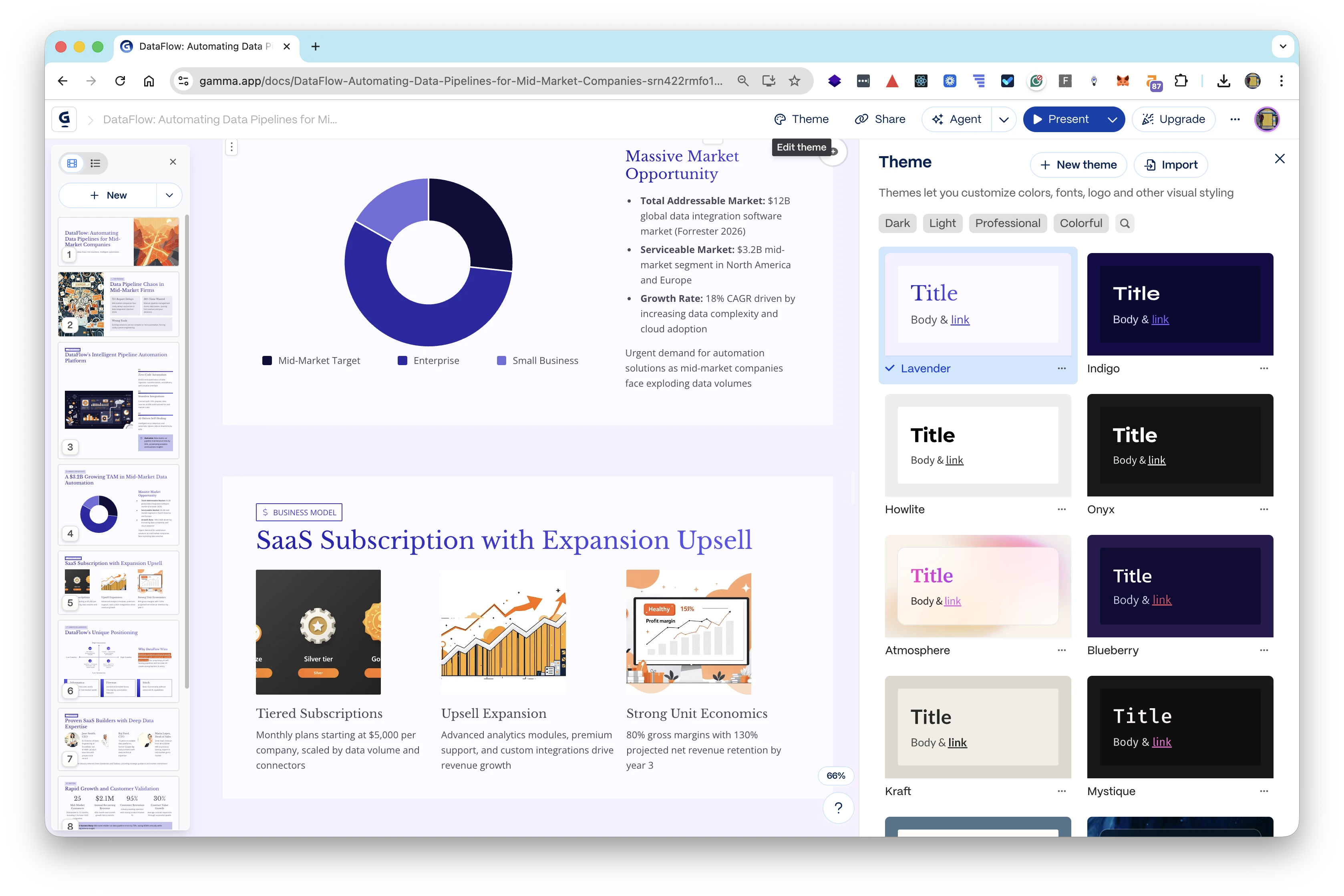
Credit: www.nextdocs.io
Data And Statistics: Market Use
Understanding adoption rates and user feedback can help you judge the tool’s value.
- According to industry surveys, over 60% of top 50 global life sciences companies use specialized document management tools like Nextdocs or its competitors.
- A 2026 report found that document errors dropped by 40% after implementing workflow automation tools in regulated industries.
- User ratings on major software review sites average 4.1 out of 5 for Nextdocs, with praise for compliance features but mixed reviews on ease of use.
These numbers suggest that, while not perfect, Nextdocs delivers real value for many organizations.
When Is Nextdocs The Right Choice?
Nextdocs is best for organizations with:
- Strict regulatory requirements (FDA, EMA, etc.)
- Existing investment in Microsoft SharePoint
- Need for robust audit trails and electronic signatures
- Multiple users working on complex document workflows
It’s less suitable for teams needing lightweight document storage, creative content management, or high flexibility outside regulated industries.
What Beginners Often Miss
If you’re new to regulated content management, there are some insights that are easy to overlook:
- The importance of validation: Regulatory bodies require not just good processes, but proof that your systems work as intended. Nextdocs’ validation features help, but you must plan and document your own validation strategy. Don’t assume the tool “does it all”—you’ll need to configure and test your workflows to match your company’s policies.
- Planning for change management: Introducing a tool like Nextdocs is not just a technical project. It changes how people work. Teams may resist new processes or need extra training, especially if they’re used to manual or email-based workflows. Build time for training and feedback into your rollout plan.
Tips For Getting The Most From Nextdocs
If you choose Nextdocs, here are ways to maximize its value:
- Invest in training: Start with key users (“super users”) who can support others. Use vendor resources and documentation.
- Document your workflows: Map out your processes before building them. This helps prevent errors and makes audits easier.
- Review permissions regularly: As teams change, update roles and access rights to avoid security gaps.
- Schedule regular system health checks: This helps spot performance issues before they affect users.
- Leverage support: Use Nextdocs’ customer support for advice on best practices and troubleshooting.
Common Mistakes To Avoid
Even experienced teams can make missteps. Watch out for these:
- Underestimating configuration time: Setting up complex workflows takes more time than expected, especially if you need custom forms or integrations.
- Ignoring user feedback: Early users may spot problems or suggest improvements—listen to them.
- Skipping validation tests: Don’t go live without testing your workflows in a sandbox environment.
- Failing to plan for upgrades: Schedule regular reviews to stay current with software updates and new features.
Practical Example: Document Lifecycle In Nextdocs
Let’s look at a typical document lifecycle using Nextdocs:
- Author drafts a document using a standard template.
- Workflow routes the document to a reviewer. The reviewer can comment or request changes.
- Second review is triggered if needed.
- Approver receives notification to sign off. Electronic signature is captured.
- Document is published and access is set based on user roles.
- Audit trail logs every action, visible to compliance officers.
- Periodical reviews or re-approvals are scheduled automatically.
- Document is archived when retired, with a full history maintained.
This structured approach reduces risk, enforces standards, and simplifies audits.
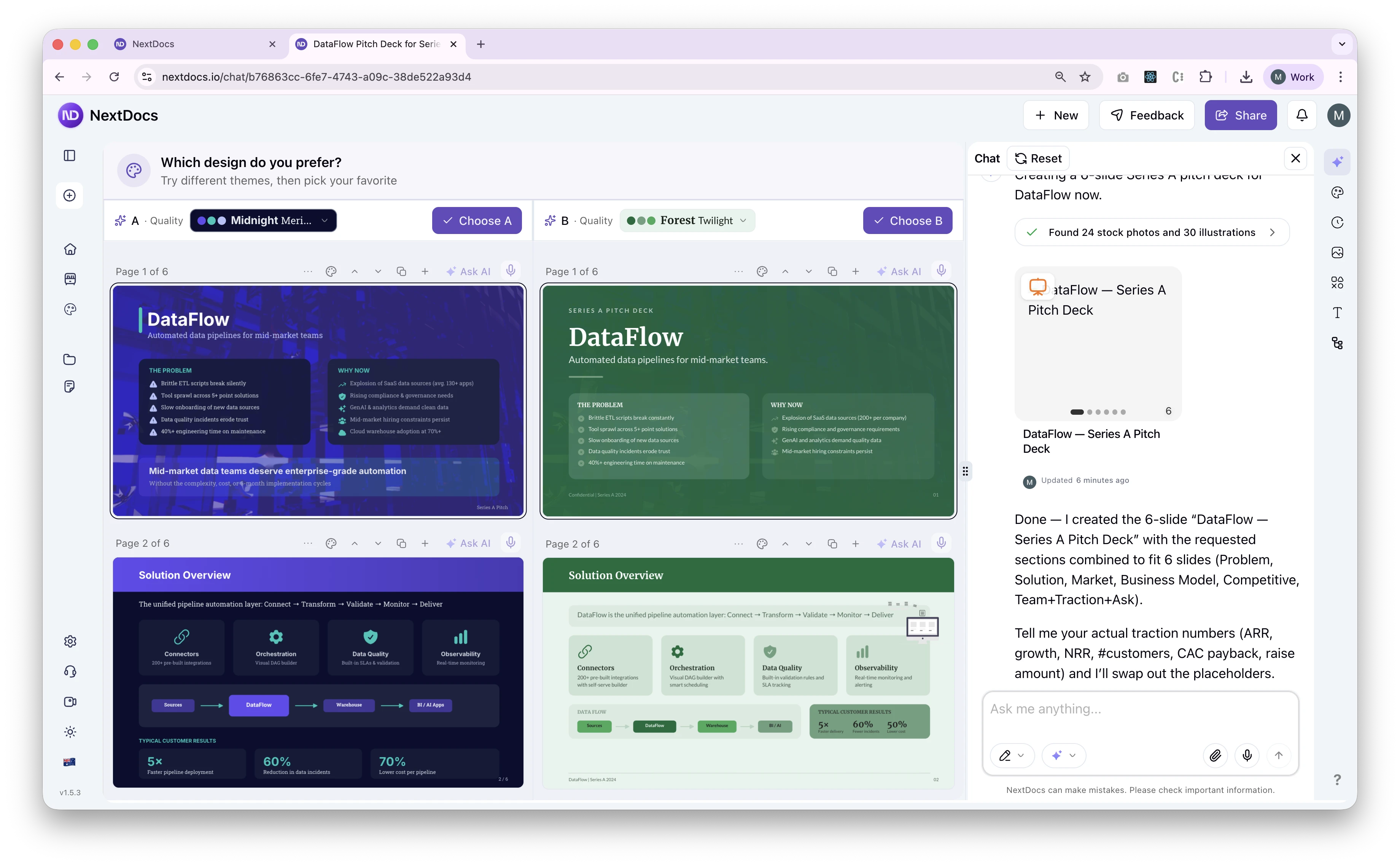
Credit: www.nextdocs.io
User Experience: What Real Users Say
Feedback from real users provides valuable insights. Here’s what stands out:
- Positive: Users like the sense of security that comes from strong compliance controls. They also appreciate the ability to tailor workflows to their business processes.
- Negative: Some users report frustrations with slow system performance at scale and challenges with integrating other enterprise systems.
- Neutral: Many say the tool is “robust but not simple,” requiring patience to master.
Overall, Nextdocs is seen as a reliable choice for regulated industries, but not the easiest to learn or the cheapest option.
Security And Data Protection
Security is a top concern for any document management tool. Nextdocs uses:
- Encryption for data at rest and in transit
- Role-based access to restrict sensitive information
- Detailed logging for all actions
These features help prevent data breaches and meet legal requirements. Still, organizations must have their own IT policies and review permissions regularly.
Future Trends And Nextdocs
As compliance requirements get stricter, tools like Nextdocs are likely to add more automation, AI-powered validation, and improved mobile support. Cloud deployment is also becoming more popular, reducing the need for on-premises infrastructure.
If you’re choosing a tool for long-term use, check the vendor’s roadmap and ask about upcoming features.
Comparing Cost And Value
Choosing the right document management tool is not just about features—it’s about value for money. Here’s a summary comparison:
| Factor | Nextdocs | Alternative (e.g., Veeva, MasterControl) |
|---|---|---|
| License Cost | High | Very High |
| Implementation Time | Moderate | Moderate to High |
| Compliance Features | Excellent | Excellent |
| Ease of Use | Moderate | Moderate |
| Flexibility | Moderate | High |
| Support Quality | High | High |
This snapshot shows that Nextdocs offers strong compliance and support but is not the lowest-cost or most flexible option. For organizations in regulated industries, the price may be justified by the reduction in compliance risk.
Credit: www.automateed.com
Should You Choose Nextdocs?
Deciding on Nextdocs depends on your organization’s needs:
- If you need compliance above all, and already use SharePoint, Nextdocs is a top contender.
- If you want maximum flexibility or are not in a regulated sector, you may find more suitable and less expensive options.
The best path is to pilot the tool with a small team, gather feedback, and compare against alternatives before a full rollout.
For further independent information, see this document management systems overview on Wikipedia.
Frequently Asked Questions
What Industries Benefit Most From Nextdocs Design Tool?
Life sciences, pharmaceuticals, biotechnology, and medical device companies benefit most from Nextdocs. These sectors face strict compliance rules and need reliable audit trails, electronic signatures, and workflow automation.
Is Nextdocs Suitable For Small Businesses?
While possible, Nextdocs is usually better for medium to large organizations due to its cost, complexity, and focus on regulated environments. Small teams with basic needs may find it too complex or expensive.
Can Nextdocs Integrate With Non-microsoft Platforms?
Nextdocs is optimized for Microsoft SharePoint. Integration with non-Microsoft platforms is possible but may require extra development or third-party connectors.
How Secure Is Nextdocs For Sensitive Data?
Nextdocs uses encryption, role-based access, and detailed audit trails to protect sensitive information. However, organizations must also maintain strong internal IT policies and monitor user permissions regularly.
What Should I Do Before Choosing Nextdocs?
Assess your compliance needs, existing IT infrastructure, budget, and user skills. Run a pilot project, involve key users, and compare features and costs with at least one alternative tool before making a final decision.
Choosing the right document management tool is critical in regulated industries. Nextdocs offers robust compliance features and workflow automation, but it’s not the best fit for everyone. By understanding both the pros and cons, you can make a confident, informed choice for your business.


About author









Add comment