
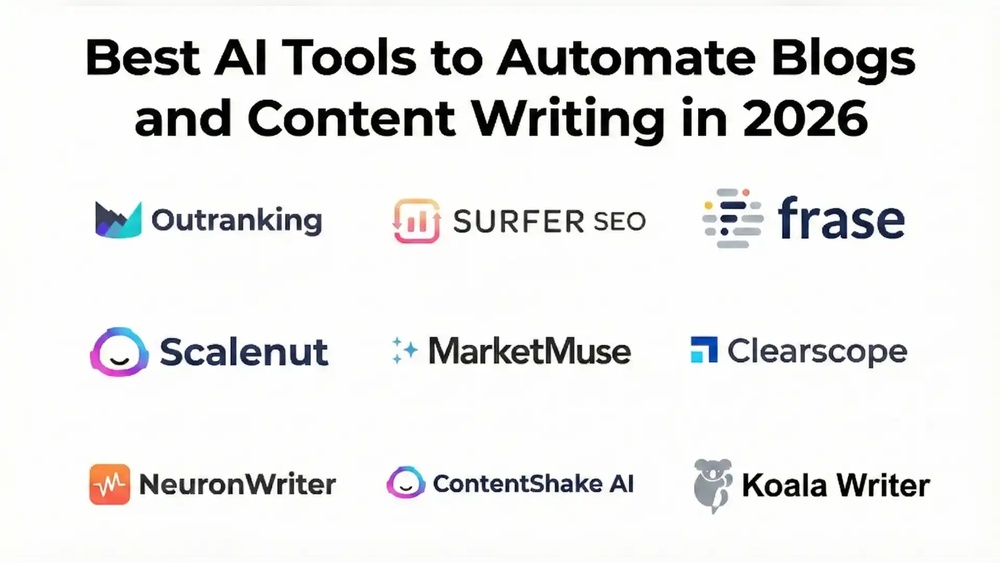
How to Use Ai Tools for Automated Blogging: Boost Content Fast
Blogging has changed more in the last two years than in the entire previous decade. The rise of AI tools is transforming how people create, publish, and grow their blogs. Tasks that once took hours—like research, drafting, optimizing for SEO, designing images—can now be automated or made much faster with the right software. But while automation sounds easy, using AI for blogging well takes more than pressing a button. If you want to build a successful, human-friendly blog with AI, you need to know which tools to use, how to set them up, and how to keep your unique voice. This guide will show you how to use AI tools for automated blogging, step by step, so you can save time, boost quality, and focus on what matters.
Why Automate Blogging With Ai?
Traditional blogging is demanding. You must research topics, write drafts, edit, optimize for search engines, add images, and promote posts. Each step can eat up hours every week. For solo bloggers or small teams, this is a big challenge. AI automation changes the game by:
- Speeding up content creation: AI can write drafts, summarize research, and suggest headlines in minutes.
- Improving quality: Tools can correct grammar, rewrite awkward sentences, and check for SEO best practices.
- Scaling your output: With automation, you can publish more posts without burning out.
- Reducing costs: You may need fewer freelancers or editors, and can focus your budget on promotion.
A 2026 survey by HubSpot found that 68% of marketers who use AI tools for content creation save at least three hours per week. Some report publishing twice as many posts as before, with similar or even higher quality.
Types Of Ai Tools For Blogging
Not all AI tools are the same. Each helps with a different part of the blogging process. Here are the main categories and examples of what they do:
Ai Writing Assistants
These generate text, rewrite drafts, and help brainstorm ideas. Popular options include ChatGPT, Jasper, and Writesonic. They can:
- Write blog post outlines or full drafts from a prompt
- Suggest catchy headlines or meta descriptions
- Rewrite or expand existing paragraphs
Ai Seo Optimizers
These tools help your content rank higher in search engines. Examples: SurferSEO, Frase, and Clearscope. They:
- Analyze top-ranking articles for your keyword
- Suggest keywords to include
- Score your draft for SEO readiness
Ai Image Generators
Creating unique images is faster with tools like DALL-E, Canva’s AI features, and Midjourney. They:
- Generate custom graphics or illustrations from your text
- Resize and optimize images for the web
Ai Content Planners
Planning topics and schedules is easier with tools like MarketMuse or BuzzSumo. These:
- Find trending topics in your niche
- Suggest keywords and questions to answer
- Map out content calendars automatically
Ai Editing And Proofreading
AI editors such as Grammarly and Quillbot can:
- Fix grammar and spelling errors
- Suggest ways to improve clarity and tone
- Check for plagiarism
Ai Social Media And Promotion
Tools like Buffer or Lately.ai can:
- Turn blog posts into social updates
- Schedule and post automatically
- Analyze which posts perform best
Example Workflow: A Modern Ai Blogging Stack
You might use:
- ChatGPT for drafting content
- SurferSEO to optimize for search
- Canva (with Magic Design) for images
- Grammarly for editing
- Buffer for sharing on social media
Each tool saves time on one part of the process. Used together, they let you focus on strategy and creativity.
Setting Up An Automated Ai Blogging Workflow
Automation is not just about picking tools; it’s about connecting them into a smooth system. Here’s how to build a workflow that fits your needs.
1. Define Your Blogging Goals
Start with clear goals. Do you want to publish more posts per week? Rank higher for certain keywords? Grow your email list? Your goals will shape which AI tools to use.
2. Choose The Right Tools
Not all tools are right for everyone. If you’re a beginner, start with one or two key tools. For example, Grammarly for editing and ChatGPT for writing. As you learn, add more specialized tools.
3. Set Up Content Planning Automation
Use AI to research topics and schedule your posts. For example, BuzzSumo can suggest trending topics, while MarketMuse helps plan your calendar. You can automate reminders and deadlines using tools like Trello or Notion with AI-powered add-ons.
4. Automate Drafting And Outlining
AI writing assistants can turn a simple prompt into a detailed outline or first draft. Give the tool a topic, target audience, and main points. Then, review and edit for accuracy and voice.
5. Optimize Content For Seo
Before publishing, run your draft through an AI SEO tool. Tools like Frase compare your post to top-ranking content and suggest keywords or missing topics. Make changes based on the suggestions.
6. Add Images And Media
Generate unique images using tools like Canva with AI features. Many blogging platforms let you add images quickly from your AI tool’s exports.
7. Edit And Proofread
Even if AI wrote most of the text, always check the final draft. Use tools like Grammarly and read the post aloud to catch errors or awkward phrasing.
8. Automate Publishing And Promotion
Set up your blog platform (like WordPress) to schedule posts. Use an AI social media tool to create and schedule updates on Twitter, Facebook, or LinkedIn.
Example Automated Workflow Table
Here’s how a typical automated AI blogging flow might look:
| Step | AI Tool | Task | Time Saved |
|---|---|---|---|
| Topic Research | BuzzSumo | Find trending topics | 1 hour/week |
| Drafting | ChatGPT | Write first draft | 2 hours/post |
| SEO Optimization | SurferSEO | Suggest keywords | 30 min/post |
| Image Creation | Canva AI | Design graphics | 1 hour/post |
| Proofreading | Grammarly | Edit and check grammar | 30 min/post |
| Promotion | Buffer | Schedule social media | 30 min/post |
Best Practices For Using Ai In Blogging
Using AI tools well is about more than automation. Here are some strategies to get the most from your setup:
Keep Your Human Voice
AI tools can write, but they don’t have your personality. Always add your own stories, opinions, or humor. Readers return for unique perspectives, not just facts.
Double-check For Errors
AI can make mistakes, especially with facts or context. Always verify data, statistics, and sources. Copying AI text without checking can damage your reputation.
Avoid Plagiarism
Some AI tools may generate sentences that are too similar to published content. Run your posts through a plagiarism checker. Make sure your writing is original.
Balance Automation With Creativity
Automate repeat tasks, but spend your saved time on creative work. For example, use AI to draft posts, but write your own introductions or conclusions.
Watch For Seo Over-optimization
AI SEO tools sometimes suggest adding keywords too many times. This can hurt your rankings. Focus on natural, readable content.
Update Your Tools Regularly
AI tools evolve quickly. New features or better algorithms appear often. Review your stack every few months to make sure you’re using the best options.
Real-world Example
Travel blogger Mia Lee uses AI to publish three times per week. She drafts posts with ChatGPT, optimizes with Frase, and edits with Grammarly. By automating repetitive tasks, she spends more time traveling and less time at her desk.

Credit: www.eesel.ai
Common Mistakes When Automating Blogging
Automation can save time, but it’s easy to make mistakes. Here are some pitfalls to avoid:
- Relying Fully on AI: Letting AI write and publish without review can lead to low-quality or incorrect content.
- Ignoring Personalization: Automated posts without personal stories or unique ideas feel generic.
- Using Too Many Tools: Adding too many apps can slow you down. Start simple and add only what you need.
- Skipping Fact-Checking: AI sometimes “hallucinates” facts. Always check important details.
- Forgetting the Audience: AI can write in a formal or robotic style. Edit for your readers’ language and interests.
Comparing Top Ai Blogging Tools
Choosing the right AI tools is key for effective automation. Here’s a comparison of some popular options:
| Tool | Main Use | Strengths | Weaknesses |
|---|---|---|---|
| ChatGPT | Writing, brainstorming | Flexible, easy to use | May lack deep research |
| Jasper | Writing, marketing | Many templates, long-form content | Expensive for beginners |
| SurferSEO | SEO optimization | Data-driven, strong suggestions | Learning curve |
| Canva AI | Image generation | User-friendly, fast designs | Limited advanced features |
| Grammarly | Editing, proofreading | Accurate grammar checks | May miss context |
Real Data: The Impact Of Ai On Blogging Efficiency
Many bloggers and businesses are now reporting real results from AI automation. According to Content Marketing Institute:
- 55% of marketers using AI tools report higher content output
- 42% say quality has improved
- 38% see better SEO results
One B2B tech blog increased monthly posts from 8 to 20 in six months after automating their workflow with AI. Website traffic grew by 60%, and their team spent 40% less time per post.
Non-obvious Insight: Ai Can Reveal Hidden Content Gaps
AI SEO tools don’t just help with keywords—they can spot topics your competitors have missed. By analyzing top-ranking articles, AI can suggest questions or subtopics that are not well covered. Adding these to your post can help you stand out and rank higher.
Non-obvious Insight: Training Ai On Your Past Content
Some advanced tools let you “train” AI using your own blog posts. This means the tool learns your style and voice, so drafts feel more personal. While this takes extra setup, it can make automation seamless and unique.
How To Integrate Ai Tools With Your Blogging Platform
Connecting your AI tools with your website or CMS (like WordPress) saves even more time. Many tools offer plugins or integrations:
- WordPress Plugins: Tools like Rank Math or Yoast SEO now include AI-driven suggestions.
- Zapier Integrations: Use Zapier to connect AI tools with your CMS, email, or social media.
- API Access: Advanced users can use APIs to send content from AI tools directly to their site.
Integration Table: Example Connections
| AI Tool | Integration Method | Platform | Benefit |
|---|---|---|---|
| Grammarly | Browser extension | WordPress, Google Docs | Real-time editing |
| SurferSEO | WordPress plugin | WordPress | SEO suggestions as you write |
| ChatGPT | API | Custom website | Automated content import |
| Buffer | Zapier | Multiple platforms | Automated social sharing |

Credit: www.aihr.com
The Human Touch: Where Ai Should Not Replace You
While AI is powerful, some parts of blogging are best left to humans. These include:
- Personal stories and opinions: Readers connect with real experiences.
- Sensitive topics: AI may not understand cultural or emotional nuances.
- Fact-checking: Always verify claims, especially in technical or health content.
- Community engagement: Responding to comments or emails is more authentic when done by a person.
AI should support your creativity, not replace it.
Legal And Ethical Considerations
Automating blogging with AI brings legal and ethical questions:
- Disclosure: In some countries, you must tell readers if AI wrote your content.
- Copyright: AI-generated images or text may have unclear ownership. Check each tool’s policy.
- Accuracy: Publishing false information, even by accident, can damage trust or bring legal trouble.
Always review your content and follow local laws. For more on AI ethics, see the Wikipedia page on AI ethics.

Credit: www.vtiger.com
Tips For Getting Started With Ai Blogging Automation
If you’re new to AI tools, here’s how to start:
- Pick one or two tools: Try an AI writer (like ChatGPT) and an AI editor (like Grammarly).
- Practice with small posts: Don’t automate your main blog right away. Test with simple drafts.
- Compare with manual work: Write a post yourself, then use AI for the same topic. Compare speed, quality, and voice.
- Ask for feedback: Share AI-assisted posts with friends or readers. Ask if the tone feels human.
- Add more automation over time: As you get comfortable, add tools for SEO, images, and promotion.
Remember: the goal is to save time and improve quality, not to remove yourself from the process.
Frequently Asked Questions
What Are The Best Ai Tools For Blogging Beginners?
For beginners, the best tools are those that are easy to use and offer strong value. ChatGPT is great for drafting and brainstorming. Grammarly helps with editing and grammar. For images, Canva with its AI features is very user-friendly. As you gain experience, you can explore tools like SurferSEO for optimization or Buffer for social sharing.
Will Ai-generated Blog Posts Rank On Google?
Yes, AI-generated posts can rank on Google if they are high quality, unique, and meet search intent. Google’s guidelines focus on value for readers, not how content is created. However, you must edit AI content for accuracy, originality, and relevance.
Avoid publishing unedited AI drafts, as they may lack depth or contain errors.
Can I Automate My Entire Blog With Ai Tools?
It’s possible to automate many parts—like research, drafting, SEO, and publishing—but a fully automated blog may lack personality and trust. The best results come from mixing automation with your own insights and editing. Always review and add a human touch before publishing.
What Are Common Problems With Ai-powered Blogging?
Common problems include generic or repetitive content, factual errors, and a lack of unique voice. Some AI tools may generate similar text for many users, leading to less original posts. Overusing keywords from SEO tools can also make posts sound unnatural.
Regular editing and fact-checking are key to avoiding these issues.
How Much Does It Cost To Automate Blogging With Ai?
Costs vary widely. Many AI tools offer free plans with limits. Paid plans range from $10 to $100+ per month, depending on features. For example, ChatGPT Plus is $20/month, Grammarly Premium is about $12/month, and SurferSEO starts at $59/month. Start with free trials to see what fits your budget and needs.
Blogging with AI is not just a shortcut—it’s a way to work smarter, reach more readers, and focus on what makes your blog special. With the right tools and workflow, you can automate the boring parts and spend more time on your ideas, your audience, and your growth.
As AI evolves, so will the ways we create and share stories. If you start now, you’ll be ahead of the curve—ready to build a blog that’s both efficient and uniquely yours.


About author








Add comment