
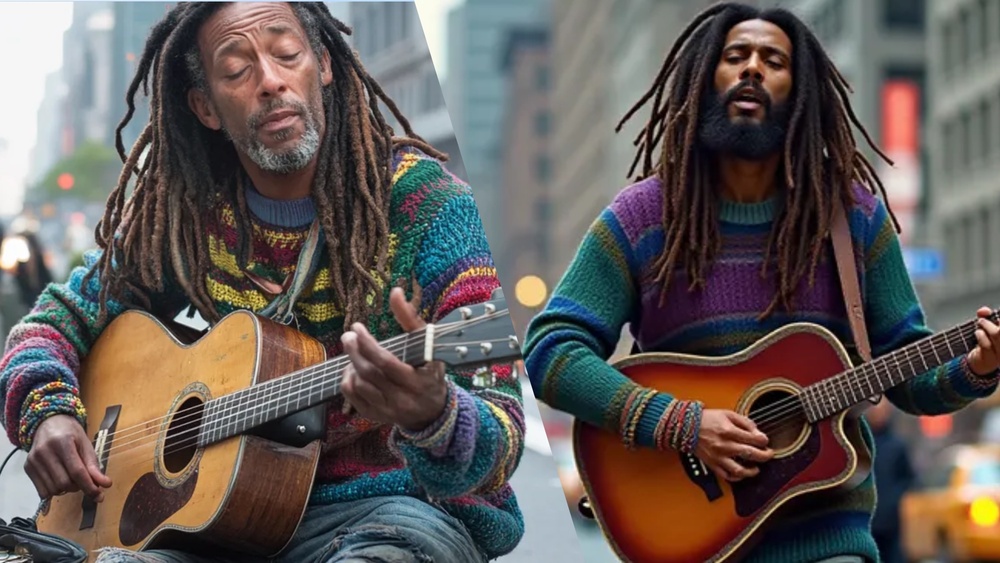
Midjourney Vs Flux AI Image Generation Comparison: Which Wins?
Midjourney Vs Flux Ai Image Generation Comparison
If you are searching for the best AI image generator, you have probably heard about Midjourney and Flux AI. These tools are changing how people create art, design marketing materials, and imagine new worlds. But which one is better for your needs? The answer isn’t as simple as picking a winner. Each platform offers unique features, strengths, and even some hidden limitations.
In this comparison, you’ll see how Midjourney and Flux AI stack up in real-world usage. We’ll break down their pricing, image quality, user experience, customization, speed, and more. Whether you are a designer, marketer, artist, or simply curious about AI, you’ll gain clear insights to help you choose wisely.
What Is Ai Image Generation?
AI image generation means using artificial intelligence to create pictures from text prompts. Instead of drawing or photographing, you just describe what you want—like “a futuristic city at sunset”—and the AI makes the image for you.
These systems use deep learning, especially models called diffusion models or GANs (Generative Adversarial Networks). They learn from millions of pictures online, so they can mix styles, understand complex requests, and even mimic famous artists. For example, you can ask for “a cat in the style of Van Gogh,” and the AI tries to match that look.
AI image generation is now used for:
- Creating concept art for games and movies
- Designing ads and social media posts
- Making book covers and album art
- Exploring ideas quickly before hiring a human artist
But not all tools are equal. Some focus on realism, others on fantasy or speed. That’s why a detailed comparison helps.
Quick Overview: Midjourney And Flux Ai
Before diving deeper, let’s look at what sets these two platforms apart.
Midjourney
Midjourney is a popular AI art generator known for its unique style and active community. It started as a Discord-based tool, but it now offers a web interface. Many artists love its painterly, imaginative look. It’s often used for high-concept art, book covers, and creative projects.
Flux Ai
Flux AI is a newer but fast-growing image generator. It focuses on flexibility, user-friendly features, and high-quality photorealistic outputs. With a modern interface and advanced settings, it’s gaining attention from designers and marketers who need quick results and more control.
Here’s a simple comparison to get started:
| Feature | Midjourney | Flux AI |
|---|---|---|
| Main Style | Painterly, artistic, imaginative | Photorealistic, flexible, modern |
| Platform | Web, Discord | Web-based |
| Community | Very active | Growing |
| Customization | Moderate | High |
| Learning Curve | Medium | Easy |
Pricing And Plans
How much will you pay to use these tools? Pricing matters—especially if you use AI images often.
Midjourney Pricing
Midjourney uses a subscription model. There are several plans:
- Basic Plan: Around $10 per month, with a limited number of images (about 200 per month).
- Standard Plan: About $30 per month, with more images (up to 900 fast generations).
- Pro Plan: About $60 per month, with unlimited relax mode (slower, but no hard image limit).
- Enterprise Plan: Custom pricing for large teams or companies.
There is no free trial, but you can view the community’s work before subscribing. Payment is monthly, and you can cancel any time.
Flux Ai Pricing
Flux AI offers more options:
- Free Tier: Limited daily images, watermark on output.
- Starter Plan: Around $12 per month, with higher limits and no watermark.
- Professional Plan: About $35 per month, with even more images and priority processing.
- Business Plan: Custom pricing, includes team features and API access.
Flux AI often gives free credits for new users, so you can test the tool before buying.
Key Pricing Differences
- Midjourney is fully paid—no free images, so you must subscribe to generate.
- Flux AI gives you a way to try before you pay, which helps beginners.
- Flux AI’s plans are a bit cheaper, but Midjourney’s community and features may justify the price for some users.
Image Quality And Style
What do the images actually look like? This is often the biggest reason people choose one tool over the other.
Midjourney Image Quality
Midjourney is famous for its artistic and sometimes “dream-like” images. It excels at:
- Creating painterly, textured scenes
- Adding a sense of atmosphere and mood
- Handling creative, surreal prompts
For example, if you type “a dragon flying over a misty forest, in the style of a classic oil painting,” Midjourney delivers a result that feels both artistic and mysterious. Faces and hands sometimes have small flaws, but recent updates have improved realism.
Non-obvious insight: Midjourney’s unique “vibe” is hard to copy with other generators. If you want your art to stand out or look “AI-made but beautiful,” this is a top choice.
Flux Ai Image Quality
Flux AI focuses on photorealism and flexibility. It does well with:
- Modern, clean, sharp images
- Product photography, advertising, and real-world scenes
- Consistent human faces and hands
Ask for “a businesswoman in an office, sharp focus, natural light,” and you get a picture that could fit in a real magazine. It supports many styles, from cartoons to anime, but its photorealistic results are especially strong.
Non-obvious insight: Flux AI’s image outputs are easier to edit later in Photoshop or Canva. The style is less “baked in,” so you can fine-tune for branding needs.
Side-by-side Example
Suppose you enter the same prompt in both:
“an Astronaut Holding A Bouquet Of Flowers, Cinematic Lighting.”
| Midjourney | Flux AI |
|---|---|
| Painterly, soft edges, dramatic colors, looks like a movie poster. | Sharp details, photorealistic face, realistic bouquet, modern look. |
User Interface And Experience
A tool is only helpful if you can use it easily. Let’s see how both platforms treat beginners and power users.
Midjourney User Experience
Midjourney started on Discord. You join their server, type your prompt in a chat, and the bot sends your image. This can be confusing for first-time users, but there’s a supportive community ready to help. The platform now offers a web app with a gallery, favorites, and prompt history.
Pros:
- Strong community—lots of inspiration and feedback
- Easy to see what others are making
- New web interface is smoother than Discord
Cons:
- Discord can feel chaotic for beginners
- Some features are hard to find or use at first
- Not as intuitive for users who want a “click and go” experience
Flux Ai User Experience
Flux AI is web-based from the start. You log in, type your prompt, adjust settings, and get images—all in one clean dashboard.
Pros:
- Clean, modern interface—easy to learn
- Clear buttons and options for image size, style, and aspect ratio
- Simple gallery to save or download your work
Cons:
- Community features are basic (fewer sharing/discussion options)
- Some advanced tools are hidden in menus
Non-obvious insight: If you want to use AI images in a team (like for a marketing agency), Flux AI’s interface is easier for group workflows.
Prompt Engineering And Customization
The real power of AI image generation comes when you master prompts and settings. How much can you control with each tool?
Midjourney Prompt Control
Midjourney lets you use simple text or advanced prompt engineering. It supports special codes for:
- Aspect ratio (e.g., `–ar 16: 9`)
- Quality (`–q 2` for double quality)
- Stylization (`–style 4c` for creative, `–style 4a` for more realistic)
- Seed numbers (for repeatable results)
- Image uploads (use an image as a base)
This means you can fine-tune results, but you need to learn the syntax. Some users find this fun, others find it hard.
Flux Ai Prompt Control
Flux AI uses natural language but also offers sliders and dropdowns for:
- Style (realistic, cartoon, anime, etc.)
- Resolution and aspect ratio
- Advanced effects (lighting, color grading, backgrounds)
You can combine these with text prompts. It’s less about special codes and more about “what you see is what you get. ”
Non-obvious insight: Flux AI’s prompt system is more forgiving of typos and vague requests, making it easier for non-native English speakers.

Credit: freshvanroot.com
Speed And Reliability
How fast do you get your image? And can you trust the platform to work every time?
Midjourney Speed
Midjourney’s fast mode delivers images in about 30 seconds (sometimes longer during busy hours). The relax mode (unlimited) can take several minutes. Speed depends on your plan and how busy the servers are.
Midjourney is usually reliable, but during big updates or heavy traffic, you may see slowdowns.
Flux Ai Speed
Flux AI generates most images in under 20 seconds, even during busy times. Priority users (higher plans) get even faster results. The platform rarely experiences downtime, thanks to its modern cloud infrastructure.
Extra tip: If you need to create hundreds of images for a project, Flux AI’s business plan with API access is much faster than running Midjourney on Discord.
Output Resolution And File Formats
Resolution matters if you want to print your images or use them in professional designs.
Midjourney Output
- Default: 1024×1024 pixels (can adjust aspect ratio, but not always bigger)
- Upscale option: Up to 2048×2048 or 4096×4096 (with some quality loss)
- File format: PNG
Midjourney focuses on web and social media use, not giant posters. Upscaling helps, but fine details can get blurry.
Flux Ai Output
- Default: 1024×1024 or larger (custom sizes available)
- High-res download: Up to 4096×4096, with lossless details
- File formats: PNG, JPG, sometimes SVG for vector art
Flux AI is better for large prints, banners, and commercial design work.
Credit: medium.com
Intellectual Property And Commercial Use
Can You Use These Images For Business? Are There Risks?
Midjourney Ip Policy
When you create images with Midjourney, you own the output but must follow their terms:
- Images are public by default (unless on a Pro/Enterprise plan)
- You can use images for commercial work if you have a paid plan
- Community can see your images unless you pay for “private” mode
Important: Because Midjourney learns from public data, there’s a tiny chance your image may look like someone else’s art. This is rare but can matter for brands needing total originality.
Flux Ai Ip Policy
Flux AI gives you full commercial rights for images you create on a paid plan:
- Private by default—no one else can see your work
- Business plan users get custom agreements
- You can use images in ads, products, and branding
Flux AI’s policies are simple and business-friendly.
Non-obvious insight: If you’re making images for clients or your own business, check the fine print on both platforms. Some companies need a clear IP agreement for legal safety.
Integration With Other Tools
Most users want to move images into Canva, Photoshop, or even websites. How do these AI generators fit into your workflow?
Midjourney Integration
Midjourney is mostly standalone. You can:
- Download images from Discord or web
- Use browser extensions to send images to design tools
- No direct API for automation (as of now)
This works for casual use but can slow down teams needing to create lots of images quickly.
Flux Ai Integration
Flux AI is built for integration:
- Direct export to Canva, Figma, and Adobe tools
- API access for business plans (automate image generation)
- Zapier support for connecting to other apps
Pro tip: If you want to generate images as part of a larger marketing or e-commerce workflow, Flux AI saves time.
Community, Support, And Learning
A strong community can help you learn, get inspiration, and solve problems.
Midjourney Community
Midjourney’s Discord is a giant, active hub:
- Thousands of daily images shared
- Prompt tips, feedback, and help channels
- Official documentation and video tutorials
It’s ideal if you like sharing, learning from others, or joining contests.
Flux Ai Community
Flux AI’s community is newer and smaller:
- Official forums and support tickets
- Some user galleries and prompt sharing
- Regular blog updates and tutorials
Support is fast and personal, but you won’t find the same “buzz” as Midjourney’s Discord.
Extra insight: If you’re a beginner, Midjourney’s community helps you grow. If you want a quieter, more focused environment, Flux AI is better.
Accessibility And Device Compatibility
Can you use these tools on your phone or tablet? Do they work everywhere?
Midjourney Accessibility
- Web app: Works on any browser, desktop or mobile
- Discord: Usable on iOS, Android, Windows, and Mac
- No standalone mobile app
Midjourney is flexible but can feel crowded on small screens.
Flux Ai Accessibility
- Fully web-based: Optimized for desktop and mobile browsers
- Touch-friendly design
- No app needed, but works well on tablets
Flux AI is slightly easier to use on mobile devices.
Security And Privacy
How safe is your data? This matters if you create private or sensitive images.
Midjourney Privacy
- Images are public unless you pay for privacy
- Prompts and outputs are stored on their servers
- Some data is used to improve the model
Flux Ai Privacy
- Images are private by default
- Prompts and outputs not visible to others
- Business plan offers stricter data controls
Pro tip: If privacy is critical, Flux AI’s default settings are safer.
Advanced Features And Extras
Some users want more than just basic image generation. How do these tools go beyond the basics?
Midjourney Extras
- Remix mode: Change parts of your image with new prompts
- Variations: Create different versions from one image
- Image blending: Combine two images in one prompt
- Style tuning: Save and reuse your favorite styles
- Community challenges: Weekly themed contests
These features help artists experiment and grow.
Flux Ai Extras
- Batch generation: Make dozens of images at once
- Inpainting and outpainting: Edit parts of an image or expand the edges
- Style transfer: Turn your photo into a “Flux look”
- API access: Automate with your own apps
- Brand kit: Save color palettes, fonts, and styles for consistency
These tools are valuable for marketing teams and power users.
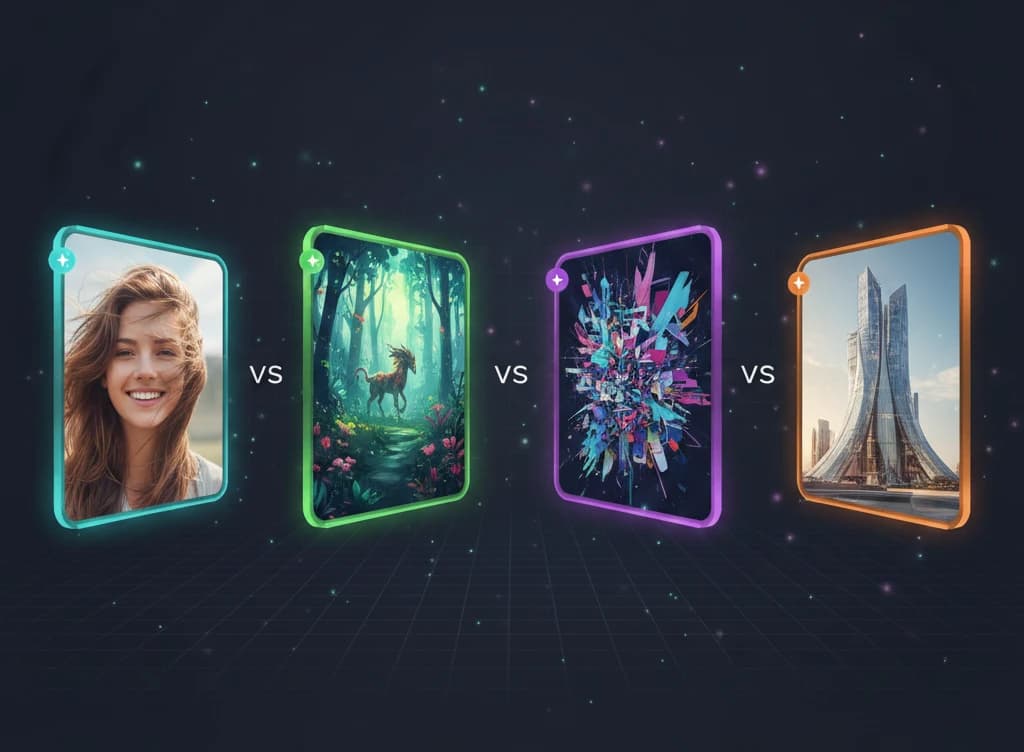
Credit: freeacademy.ai
Strengths And Weaknesses: Summary Table
Here’s a quick look at where each platform shines and where it falls short.
| Area | Midjourney | Flux AI |
|---|---|---|
| Artistic style | Excellent | Good |
| Photorealism | Good | Excellent |
| Community | Very strong | Growing |
| Ease of use | Medium | High |
| Team features | Limited | Strong |
| Privacy | Limited without Pro | Strong by default |
| Integration | Basic | Advanced |
| Customization | Moderate | High |
Real-world Use Cases: Which Tool For Which Job?
Let’s see which platform fits different needs.
1. Artists And Illustrators
If you want to create moody, painterly art or experiment with wild ideas, Midjourney is your best bet. Its style makes images look like “real” art, and the community is inspiring.
2. Marketers And Designers
For quick, professional, on-brand images, Flux AI wins. It’s fast, easy to use, and integrates with other design tools. Batch creation and privacy features are a plus.
3. Business Teams
If you need team access, API automation, or want to keep your work private, Flux AI is built for business.
4. Beginners And Non-english Speakers
Flux AI’s natural language prompts and forgiving interface make it easier for new users. Midjourney’s Discord setup can be confusing at first.
5. Experimenters And Ai Enthusiasts
Midjourney lets you play with unique prompt codes, blend images, and join a lively community. It’s perfect if you like to “tinker” and learn from others.
Common Mistakes When Choosing An Ai Image Generator
Many new users make simple mistakes when picking a tool. Here’s what to watch out for:
- Ignoring style differences: Not every AI generator fits every project. Test both with your real prompts.
- Underestimating privacy needs: If your work is confidential, check the image sharing and IP rules.
- Overlooking integration: If you need images for work (not just fun), pick a tool that exports easily to your other apps.
- Not reading the fine print: Some platforms limit commercial use unless you pay. Always check the terms before using images in ads or products.
- Focusing only on price: Cheaper isn’t always better. A slightly higher fee may save hours of editing or rework later.
How To Decide: Practical Steps
Still unsure? Here’s how to test both platforms before you commit:
- Make a shortlist of your needs (style, privacy, speed, integrations).
- Try the free options on Flux AI to see if the results match your goals.
- Browse the Midjourney community gallery to see if the style fits your taste.
- Read their official help docs for details on IP, privacy, and terms.
- Ask for feedback in the communities—real users share honest pros and cons.
- Test with your real-world prompts (not just “cat in a hat”). This gives you a better idea of everyday performance.
Remember, there’s no single “best” tool—just the best tool for your project.
Frequently Asked Questions
Is Midjourney Or Flux Ai Better For Photorealistic Images?
Flux AI is generally better for photorealistic images. Its model is trained for realism, making it strong for product photos, portraits, and real-world scenes. Midjourney can do realistic art, but its strength is in artistic and creative styles.
Can I Use Images From Midjourney Or Flux Ai For Commercial Projects?
Yes, both allow commercial use if you are on a paid plan. Midjourney requires at least a Basic subscription, while Flux AI’s paid plans give you full rights. Always check the latest terms on their official sites before launching a product.
Which Tool Is Easier For Beginners?
Flux AI is easier for beginners. The web interface is simple, and you don’t need to learn special codes. Midjourney’s Discord workflow is powerful but can be confusing for new users.
Does Midjourney Or Flux Ai Support Api Access?
Flux AI supports API access for business and enterprise users. This lets you automate image creation in your own apps or websites. Midjourney does not offer a public API as of now.
Where Can I Find More Information About Ai Image Generation?
A good starting point is the Wikipedia page on AI art. It covers the basics, history, and key concepts of artificial intelligence in creative work.
AI image generation is changing fast. By understanding the strengths and limits of both Midjourney and Flux AI, you can choose a tool that matches your creative vision and business goals. Experiment, learn, and enjoy the new possibilities AI brings to the world of images.

About author







Add comment