
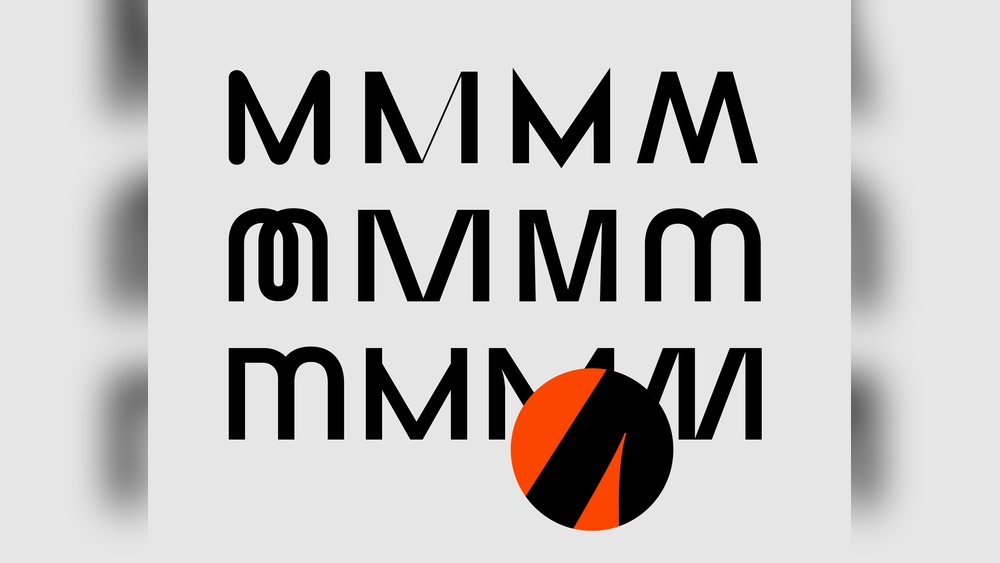
Google Fonts Alternatives for Modern Website Typography: Top Picks
Modern web design relies on typography more than ever. Websites are judged not just by what they say, but by how the words look. For over a decade, Google Fonts has been the first choice for many designers and developers. It’s free, easy to use, and offers a wide variety of fonts. But as the web evolves, so do the needs of creators. Today, there are several compelling Google Fonts alternatives that offer unique typefaces, privacy benefits, advanced features, or commercial licensing options. If you want your website to stand out or simply need a font solution that fits your specific needs, exploring these alternatives is a smart move.
Why look beyond Google Fonts? Some designers want more exclusive or unique font choices. Others worry about privacy and performance issues tied to loading fonts from Google’s servers, especially in regions with strict data protection laws. And for some, branding requires a touch of personality that the most popular fonts just can’t deliver. This article will guide you through the best Google Fonts alternatives, explain their features, and help you choose the right solution for modern website typography.
Why Consider Google Fonts Alternatives?
Google Fonts is popular for good reasons, but it’s not perfect for every project. Here’s why you might want to consider alternatives:
- Privacy Concerns: Loading fonts from external servers can expose your visitors’ data to third parties. Privacy-focused regulations like GDPR have made this a key issue.
- Font Variety: While Google Fonts offers many choices, some designers find the library too common. If you want a website that feels unique, you might need less popular or premium fonts.
- Branding and Licensing: Businesses often need custom branding. Some Google Fonts alternatives offer exclusive or commercial licenses.
- Performance: Hosting fonts locally or using a CDN closer to your users can improve site speed.
- Advanced Features: Some alternative platforms offer better support for variable fonts, language coverage, or advanced typographic controls.
Understanding these reasons helps you pick the best option for your project, whether you’re building a personal blog, an e-commerce site, or a corporate landing page.
Top Google Fonts Alternatives For Website Typography
Not all font services are the same. Some focus on open-source fonts, others on premium or exclusive faces. Below, you’ll find the most reliable alternatives, each with its own strengths.
1. Adobe Fonts
Adobe Fonts (formerly Typekit) is a powerful, subscription-based service. It comes with most Adobe Creative Cloud plans, making it a top choice for professionals.
- Library Size: Over 20,000 fonts from respected foundries.
- Licensing: Commercial use included for web and desktop.
- Integration: Easy sync with Adobe apps, simple code for websites.
- Performance: Fast CDN delivery.
Unique advantage: Many fonts are exclusive to Adobe, so your website can look truly different. You also avoid common fonts that visitors see everywhere.
Downsides: Not free—requires a Creative Cloud subscription. Some fonts are only available with higher-tier plans.
2. Fontshare
Fontshare is a free service by the Indian Type Foundry. It focuses on high-quality, contemporary fonts for designers who value aesthetics and modern style.
- Library Size: Over 100 unique families.
- Licensing: Open for personal and commercial use.
- Integration: Direct embed or download for self-hosting.
Interesting note: Every font is designed by professionals. The collection is small but very selective, so you don’t get overwhelmed with choices.
Downsides: Smaller library compared to Google Fonts or Adobe Fonts.
3. Bunny Fonts
Bunny Fonts is a privacy-focused, open-source alternative. It works as a drop-in replacement for Google Fonts with almost identical API structure.
- Library Size: Mirrors Google Fonts (over 1,500 families).
- Licensing: Same as Google Fonts (open source).
- Integration: Easy CDN links, or self-host for maximum privacy.
- Performance: CDN optimized for speed and privacy.
Insight: Many European websites now use Bunny Fonts to comply with GDPR, as it avoids connecting to Google servers.
4. Font Squirrel
Font Squirrel is a curated collection of free, high-quality fonts. Every font is checked for commercial-use licensing.
- Library Size: Hundreds of fonts, all handpicked.
- Licensing: Free for commercial use.
- Integration: Download and self-host, or use their Webfont Generator.
Special feature: The Webfont Generator lets you convert almost any font into web-friendly formats. This is perfect for older or custom fonts.
5. Brick
Brick is an open-source webfont service that serves fonts in their original, unaltered form. This is important for designers who care about pixel-perfect rendering.
- Library Size: Smaller than Google Fonts, but growing.
- Licensing: Open source.
- Integration: CDN links for easy embedding.
Non-obvious insight: Fonts from Brick are served without subsetting, so language support is often broader.
6. Typekit (adobe Fonts)
Some designers still refer to Adobe Fonts by its old name, Typekit. All the same features apply—premium foundry fonts, deep Creative Cloud integration, and robust licensing. If you find references to “Typekit” in older articles, just know it’s the same as Adobe Fonts today.
7. Fonts.com
Fonts.com is one of the largest commercial font services, with a massive library from top foundries.
- Library Size: Over 150,000 fonts.
- Licensing: Commercial licenses, webfont subscriptions.
- Integration: Webfont hosting, desktop sync.
Pro tip: Fonts.com is ideal if you need classic typefaces like Helvetica, Frutiger, or Univers—fonts not available on most free services.
Downside: Pricing is per font or subscription, which adds up for large projects.
8. Myfonts
MyFonts is owned by Monotype and offers a huge commercial library with flexible licensing.
- Library Size: 130,000+ fonts.
- Licensing: Pay-as-you-go or subscriptions.
- Integration: Self-host or use their webfont delivery.
Unique advantage: MyFonts also offers “WhatTheFont,” a tool for identifying fonts from images.
9. Edge Web Fonts
Edge Web Fonts is a partnership between Adobe and Monotype. It’s a free service with a good mix of open-source and commercial fonts.
- Library Size: 500+ families.
- Licensing: Free for web use.
- Integration: Simple script embeds.
Note: While not as big as Google Fonts, Edge Web Fonts includes some unique faces.
10. Open Foundries (e.g., Velvetyne, The League Of Moveable Type)
Several independent foundries offer open-source fonts with a focus on design quality and innovation. Examples include Velvetyne and The League of Moveable Type.
- Library Size: Small, but carefully curated.
- Licensing: Open source.
- Integration: Download for self-hosting.
Tip for beginners: These foundries are great for finding truly unique fonts, but you’ll need to handle your own hosting.
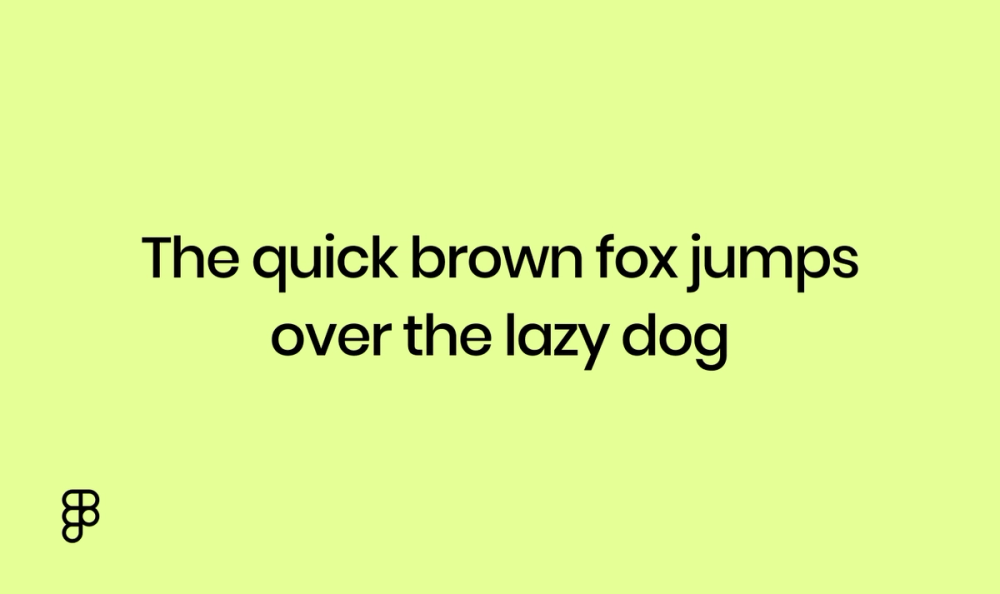
Credit: www.figma.com
Comparison: Font Libraries At A Glance
To help you compare major Google Fonts alternatives, here’s a quick side-by-side look at the key features:
| Service | Library Size | Free / Paid | Self-Hosting | Commercial Use | Unique Feature |
|---|---|---|---|---|---|
| Adobe Fonts | 20,000+ | Paid (via Creative Cloud) | No | Yes | Exclusive foundry fonts |
| Fontshare | 100+ | Free | Yes | Yes | Modern, curated collection |
| Bunny Fonts | 1,500+ | Free | Yes | Yes | GDPR-friendly CDN |
| Fonts.com | 150,000+ | Paid | Yes | Yes | Classic commercial fonts |
| Font Squirrel | Hundreds | Free | Yes | Yes | Webfont Generator tool |
How To Choose The Right Font Solution For Your Website
Picking the best alternative depends on your project’s needs. Here’s how to decide:
Consider Your Project Type
- Personal blog or small business: Free, open-source fonts (Fontshare, Bunny Fonts, Font Squirrel) are usually enough.
- Corporate or large brand: Paid services (Adobe Fonts, Fonts.com, MyFonts) offer more variety, exclusive faces, and better support.
- Creative portfolio: Open foundries or niche libraries can provide a unique look.
Think About Privacy And Performance
If you serve visitors from Europe or regions with strict privacy laws, avoid loading fonts from US-based servers (like Google). Bunny Fonts and self-hosting are safer choices.
Tip: Hosting fonts on your own server eliminates third-party requests, improving both privacy and speed.
Licensing Matters
Always check the licensing terms. Not all free fonts allow commercial use. Some require attribution. Font Squirrel is a good source because they only list fonts cleared for commercial use.
Design And Branding
Don’t pick a font just because it’s popular. Consider:
- Brand personality: Modern, classic, playful, or serious?
- Readability: Is the font clear at body text sizes?
- Language support: Does it cover all the scripts you need?
Advanced Features
Some font platforms support variable fonts (one file, many styles), ligatures, or advanced OpenType features. If you want cutting-edge typography, look for these options.
Performance And Privacy: Hosting Fonts Locally Vs. Cdn
How you deliver fonts affects both user experience and legal compliance. Here’s what you need to know:
Cdn Hosting
Most font services offer CDN delivery. This means fonts are served from global servers, usually making them load faster for users. However, this can raise privacy concerns, as user data may be sent to the font provider.
When to use: For sites where speed is critical, and privacy regulations are not a major concern.
Self-hosting Fonts
Hosting fonts on your own server gives you full control. You download the font files, upload them to your hosting environment, and use `@font-face` in your CSS.
Benefits:
- Maximum privacy: No third-party requests.
- Custom subsetting: Only include characters you need, reducing file size.
- No risk of external service outages.
Drawbacks:
- Slightly more setup required.
- You need to optimize font files (WOFF2, WOFF, etc. ).
Data Table: Cdn Vs. Self-hosting
Here’s a quick comparison:
| Method | Speed | Privacy | Setup Complexity | Best For |
|---|---|---|---|---|
| CDN | Fast (global delivery) | Lower (third-party requests) | Very easy | Quick projects, low-privacy sites |
| Self-Hosting | Fast (if optimized) | High (no data shared) | Medium (manual upload) | Privacy-focused, advanced users |
Non-obvious insight: Self-hosting is now easier thanks to tools like Google Webfonts Helper and Font Squirrel’s Webfont Generator, which automate the process.
Open-source Vs. Commercial Fonts: What’s The Difference?
Understanding the difference helps you make the right decision for your budget and legal safety.
Open-source Fonts
- Free to use for personal and commercial projects.
- No royalties or ongoing fees.
- Popular examples: Inter, Roboto, Montserrat.
Commercial Fonts
- Licensing costs: Pay once or subscribe.
- Often higher quality: More weights, better language support, exclusive designs.
- Legal coverage: Some clients require proof of purchase/licensing.
Practical advice: For most startups and small businesses, open-source fonts are enough. For international brands, investing in commercial fonts can be worth it for legal protection and design flexibility.
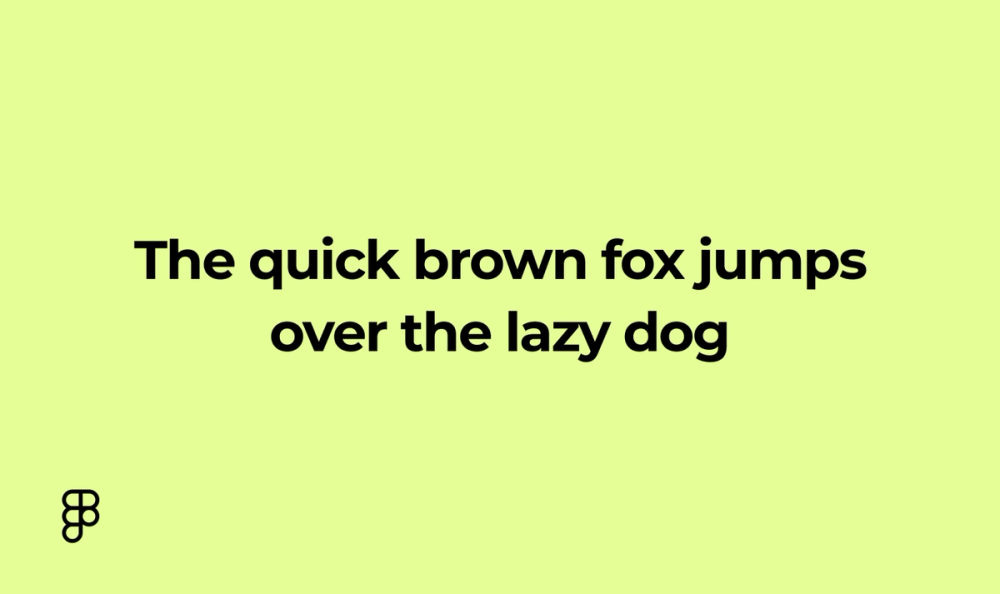
Credit: www.figma.com
Advanced Typography: Variable Fonts And More
Modern font technology brings new tools to the table, making it easier to achieve responsive, beautiful typography.
What Are Variable Fonts?
A variable font is a single font file that acts like many. You can adjust weight, width, slant, or other axes with CSS, all from one file.
Benefits:
- Smaller file sizes (one file replaces many).
- Smooth transitions between styles.
- Greater design flexibility.
Support In Alternatives
- Adobe Fonts: Good selection of variable fonts.
- Google Fonts: Now offers many variable fonts.
- Fontshare and Bunny Fonts: Both support variable fonts on select families.
Example Use
body {
font-variation-settings: "wght" 700, "wdth" 75;
}
Pro tip: Not all browsers support all variable font features, so always test.
How To Implement Alternative Fonts
Switching from Google Fonts to an alternative is simple. Here’s a step-by-step guide:
- Choose your font and source.
- Download font files (WOFF2 preferred) if self-hosting.
- Upload to your web server in an accessible directory.
- Add `@font-face` rules to your CSS:
@font-face {
font-family: 'YourFont';
src: url('/fonts/yourfont.woff2') format('woff2');
font-weight: 400;
font-style: normal;
}
- Use the font in your site’s CSS:
body {
font-family: 'YourFont', Arial, sans-serif;
}
- Test in all major browsers.
Caution: Don’t forget to subset your font to only needed languages and weights. This keeps your site fast.
Common Mistakes When Switching Font Services
Even experienced developers make mistakes when moving away from Google Fonts. Here’s how to avoid them:
- Ignoring licensing: Some “free” fonts are not allowed for commercial use.
- Not subsetting: Including all characters (like Cyrillic, Greek, etc.) Bloats file size.
- Forgetting fallbacks: Always list backup fonts in your CSS for better compatibility.
- Wrong formats: Older browsers need WOFF or TTF; modern browsers prefer WOFF2.
- Lazy loading issues: Loading fonts too late causes “flash of unstyled text” (FOUT). Use `font-display: swap` to reduce this.
Non-obvious Insights For Modern Website Typography
- Unique branding stands out: Many well-known brands (like Airbnb or Dropbox) now use custom or semi-custom fonts. Choosing a lesser-known alternative can instantly refresh your brand image.
- Accessibility matters: Some alternative font services offer fonts designed for dyslexia, low vision, or high contrast. These can improve usability for all users.
- Language coverage: If your audience speaks multiple languages, check language support carefully. Some free fonts only cover Latin scripts. Commercial libraries often include full Unicode support.

Credit: fonts.google.com
When To Stick With Google Fonts
There are cases where Google Fonts is still the best choice:
- You need fast setup and don’t have privacy concerns.
- You want a massive free library with easy integration.
- You’re building a prototype or MVP with a tight deadline.
But if your needs have evolved, the alternatives above give you more control, better privacy, and fresh design options.
Useful Resources For Exploring Fonts
- Adobe Fonts (official site)
- Fontshare (fontshare.com)
- Bunny Fonts (fonts.bunny.net)
- Font Squirrel (fontsquirrel.com)
- The League of Moveable Type (theleagueofmoveabletype.com)
- MyFonts (myfonts.com)
- Velvetyne (velvetyne.fr)
You’ll find demo tools, previews, and documentation on each site to help you get started.
Frequently Asked Questions
What Are The Main Risks Of Using Google Fonts On My Website?
The biggest risks are privacy concerns and potential legal issues in regions with strict data protection laws (like the EU under GDPR). When you load fonts from Google’s servers, user data (like IP addresses) may be sent to Google. Some countries have fined websites for this. There’s also the risk of overused or generic branding if everyone uses the same fonts.
Are All Google Fonts Alternatives Free?
No. Some alternatives like Fontshare, Bunny Fonts, and Font Squirrel are free and open source. Others, such as Adobe Fonts, Fonts.com, and MyFonts, charge for premium fonts or require a subscription. Always check the licensing before use.
How Do I Host Fonts Locally For Maximum Privacy?
First, download the font files (usually WOFF2 or WOFF format). Upload them to your server, then use `@font-face` in your CSS to reference them. This way, your users’ browsers only communicate with your server, not an external font provider. Tools like Font Squirrel’s Webfont Generator can help create web-ready files.
What Is A Variable Font And Why Should I Care?
A variable font is a single file that offers many styles (like regular, bold, condensed) by adjusting axes with CSS. It saves bandwidth and gives you more flexibility in design. For example, you can make smooth transitions in weight or width without loading multiple files. Support for variable fonts is growing in both browsers and alternative font platforms.
Can I Use Google Fonts And An Alternative Together On The Same Site?
Yes, you can mix Google Fonts with alternative sources, but be careful with performance. Each external request can slow down your site. Also, make sure the fonts you choose look good together and don’t clash in style or readability.
Final Thoughts
Typography is more than just picking a pretty font—it’s about creating a voice, improving usability, and building trust with your audience. While Google Fonts remains a solid, easy-to-use option, the world of web typography is much bigger and richer today. Alternatives like Adobe Fonts, Fontshare, Bunny Fonts, and commercial libraries open the door to new design possibilities, stronger privacy, and better alignment with your brand’s personality.
Take time to explore these platforms, test their features, and think beyond the defaults. Remember to check licensing, optimize for performance, and always put your users’ experience first. With the right font choice, your website will not only look modern—it will feel modern, too.


About author








Add comment