
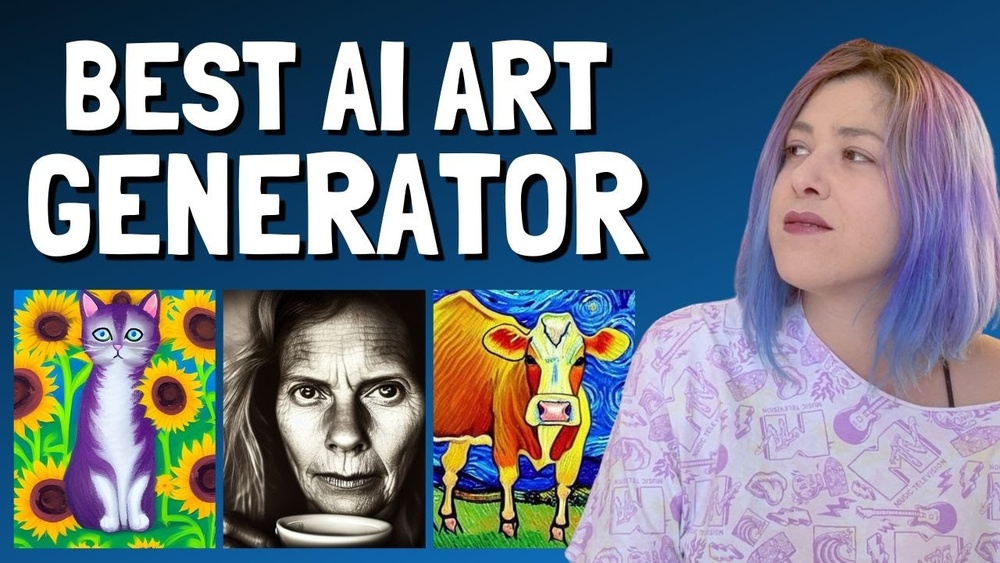
Best AI Image Generators for Print on Demand: Top Tools for 2026
The world of print on demand (POD) has changed fast in recent years. Thanks to AI image generators, designers and entrepreneurs can create unique artwork for t-shirts, mugs, posters, and more—without needing advanced art skills. These tools let anyone turn simple ideas into beautiful, original images that can sell. But with so many AI image generators on the market, it’s hard to know which ones work best for print on demand. This guide breaks down the top options, compares their features, and gives practical advice for choosing the right AI tool for your POD business.
Why Ai Image Generators Matter For Print On Demand
Print on demand relies on fresh, attractive designs that stand out. Traditional methods—hiring artists or learning graphic design—can be expensive and slow. AI image generators offer a solution. They use machine learning to produce images from text prompts, giving you nearly endless creative possibilities. You can quickly test ideas, respond to trends, and make artwork that’s unique to your store.
For POD, the quality of images matters. They must be high-resolution, free of copyright issues, and suitable for printing on various products. AI image generators save time and money, but you need to pick the right one for your needs.
Key Factors When Choosing An Ai Image Generator For Pod
Not all AI image generators are equal. Here are the main things to consider:
- Image quality and resolution: POD images must be sharp and detailed for printing. Look for generators offering at least 300 DPI and sizes like 4000×4000 pixels.
- Commercial rights: Make sure you can use the generated images for selling products without legal issues.
- Customization options: Some tools let you tweak colors, styles, and details. This helps you get exactly what you want.
- Ease of use: The interface should be simple, even for beginners.
- Cost and value: Check subscription prices, free trials, and pay-per-use options.
- Integration with POD platforms: Some AI tools connect directly to sites like Shopify or Printful, saving extra steps.
- Style variety: Can the tool create realistic, cartoon, abstract, or vintage images? More styles mean more product ideas.
- Batch generation: If you want many images at once, look for batch creation features.
- Community and support: Strong user communities and help resources can make learning easier.
Many beginners overlook the importance of resolution and commercial rights—these are must-check features before using any AI tool for print on demand.

Credit: mydesigns.io
Best Ai Image Generators For Print On Demand
Let’s dive into the leading AI image generators, each with unique strengths for POD. We’ll focus on the practical features, pricing, and real-world results.
1. Midjourney
Midjourney is one of the most popular AI art generators. It’s famous for producing stunning, high-resolution images from text prompts. Midjourney operates mainly via Discord, which may take some getting used to.
- Strengths: Incredible detail, creative styles, reliable output
- Resolution: Up to 2048×2048 pixels (can be upscaled)
- Commercial use: Paid plan allows commercial rights
- Customization: Supports prompt engineering and style controls
- Pricing: Starts at $10/month
Midjourney is great for making eye-catching designs that sell well on t-shirts and posters. Many users report that Midjourney images perform better in online stores because they look more professional and unique.
2. Dall-e 3
Developed by OpenAI, DALL-E 3 is another leader in the AI art space. It’s known for its easy prompt system and strong copyright controls.
- Strengths: User-friendly, high-quality output, good for beginners
- Resolution: Up to 1024×1024 pixels (can be upscaled)
- Commercial use: Images can be used commercially if you have a paid plan
- Customization: Clear prompt controls, supports multiple styles
- Pricing: Included in ChatGPT Plus ($20/month)
DALL-E 3 is a solid choice for those starting out. It’s easy to use, and the results are consistent. However, its resolution is lower than some competitors, so you may need to upscale images for large prints.
3. Stable Diffusion
Stable Diffusion is an open-source AI model. It’s flexible, letting you install it locally or use cloud-based versions. Many POD sellers like Stable Diffusion because they can customize it deeply.
- Strengths: Fully customizable, open-source, lots of plugins
- Resolution: Up to 4096×4096 pixels with custom setups
- Commercial use: Yes, if you run it yourself
- Customization: Advanced settings, style transfer, batch generation
- Pricing: Free (if self-hosted); cloud services may charge
Stable Diffusion is ideal for those who want full control. You can fine-tune the model for specific art styles or themes. It’s also excellent for producing batches of images quickly.
4. Adobe Firefly
Adobe Firefly is Adobe’s AI-powered image generator. It’s integrated with Creative Cloud, making it easy to use alongside Photoshop or Illustrator.
- Strengths: Seamless integration, powerful editing tools, high resolution
- Resolution: Up to 4000×4000 pixels
- Commercial use: Yes, for paid users
- Customization: Deep editing, prompt control, filters
- Pricing: Starts at $20.99/month for Creative Cloud
Adobe Firefly is perfect for designers who want both AI generation and manual editing. You can quickly generate art and polish it in Photoshop for perfect results.
5. Canva Ai Image Generator
Canva has added an AI image generator to its design platform. It’s simple to use and connects directly to Canva’s POD templates.
- Strengths: Beginner-friendly, integrated templates, quick editing
- Resolution: Up to 2000×2000 pixels
- Commercial use: Yes, for paid plans
- Customization: Easy editing, style choices, templates
- Pricing: Free basic plan; Pro starts at $12.99/month
Canva’s AI generator is great for those who want fast results. You can make a design, add text or graphics, and send it straight to POD products.
6. Dream By Wombo
Dream by WOMBO is a mobile-first AI art generator. It’s known for fun, colorful styles and fast output.
- Strengths: Mobile app, easy prompts, vibrant styles
- Resolution: Up to 2048×2048 pixels
- Commercial use: Yes, with paid plan
- Customization: Style choices, prompt tweaks
- Pricing: Free basic; premium from $9.99/month
Dream by WOMBO works well for social media-driven POD stores. Its bold, modern art appeals to younger buyers.
7. Jasper Art
Jasper Art is a tool from Jasper, known for AI writing. Its image generator is aimed at marketers and entrepreneurs.
- Strengths: Fast generation, marketing-focused art, batch creation
- Resolution: Up to 2048×2048 pixels
- Commercial use: Yes, with paid plan
- Customization: Style options, prompt controls
- Pricing: Starts at $39/month
Jasper Art is useful for making product images, ad creatives, and promotional content. It’s a good fit for those who want both text and image AI tools.
8. Craiyon
Craiyon is a free, web-based AI image generator. It’s less advanced but popular for quick, playful designs.
- Strengths: Free, easy to use, fun styles
- Resolution: Up to 1024×1024 pixels
- Commercial use: Yes, but check terms
- Customization: Basic prompts, style selection
- Pricing: Free
Craiyon is a good option for testing ideas or making simple, quirky designs.
9. Artbreeder
Artbreeder lets users blend and tweak AI-generated images using sliders and controls. It’s good for making faces, landscapes, and abstract art.
- Strengths: Image blending, fine control, community gallery
- Resolution: Up to 512×512 pixels (can upscale)
- Commercial use: Paid plan allows commercial use
- Customization: Deep tweaking, style merging
- Pricing: Free limited use; paid plans from $8.99/month
Artbreeder is perfect for those who want to experiment with mixing art styles or morphing images.
10. Nightcafe Studio
NightCafe Studio offers multiple AI models and styles. It’s popular for its community features and daily challenges.
- Strengths: Multiple AI models, community, easy batch creation
- Resolution: Up to 3000×3000 pixels
- Commercial use: Yes, with paid plan
- Customization: Style selection, prompt controls, editing tools
- Pricing: Free credits; paid plans from $9.99/month
NightCafe is good for those who want lots of style options and enjoy community-driven design.
Comparing The Top Ai Image Generators
To help you decide, here’s a side-by-side comparison of key features for the most popular POD-focused AI image generators:
| Tool | Max Resolution | Commercial Rights | Ease of Use | Pricing | Style Variety |
|---|---|---|---|---|---|
| Midjourney | 2048×2048 | Yes (paid) | Moderate | $10/month | High |
| DALL-E 3 | 1024×1024 | Yes (paid) | Easy | $20/month | Medium |
| Stable Diffusion | 4096×4096 | Yes (self-hosted) | Advanced | Free/$ | High |
| Adobe Firefly | 4000×4000 | Yes (paid) | Easy | $20.99/month | High |
| Canva AI | 2000×2000 | Yes (paid) | Easy | $12.99/month | Medium |
| Dream by WOMBO | 2048×2048 | Yes (paid) | Easy | $9.99/month | High |
| Jasper Art | 2048×2048 | Yes (paid) | Easy | $39/month | Medium |
| Craiyon | 1024×1024 | Yes | Easy | Free | Low |
| Artbreeder | 512×512 | Yes (paid) | Moderate | $8.99/month | High |
| NightCafe | 3000×3000 | Yes (paid) | Easy | $9.99/month | High |
Practical Steps For Using Ai Image Generators In Pod
Choosing the right AI image generator is only the first step. Here’s how to get the most from these tools:
- Define your niche: Are you selling to pet lovers, gamers, or fashion fans? Clear niches help you create targeted designs.
- Research trends: Use sites like Etsy or Redbubble to see what’s selling. AI generators can help you quickly test trendy ideas.
- Write clear prompts: Be specific with your description. Instead of “dog,” try “happy golden retriever wearing sunglasses in cartoon style.”
- Check resolution: Always generate images at the highest resolution possible. For t-shirts, aim for at least 300 DPI and 4000×4000 pixels.
- Upscale when needed: If your generator produces smaller images, use tools like Topaz Gigapixel or Photoshop to increase size without losing quality.
- Edit and refine: Even the best AI images may need tweaks. Use editing software to fix colors, add text, or adjust placement.
- Test designs: Print samples before launching products. AI images can look different on screen and fabric.
- Avoid copyright risks: Make sure your images are original and allowed for commercial use. Don’t use prompts that mention famous brands or characters.
- Batch creation: If you want to launch multiple products, use batch generation features to save time.
- Integrate with POD platforms: Choose generators that connect to platforms like Printful or Teespring. This reduces manual work.
Many beginners forget to test print samples before selling. Even perfect digital images can look dull or blurry on real products. Always print a sample to check quality.
Real-world Examples Of Ai-generated Pod Success
AI image generators have helped many small businesses grow fast. Here are a few practical examples:
- T-shirt shop using Midjourney: A small online store used Midjourney to create surreal animal art. Their sales doubled in three months because their designs were unique and eye-catching.
- Poster store with Stable Diffusion: By running Stable Diffusion locally, a poster seller produced batches of vintage-style travel posters. This let them respond quickly to new trends and offer limited edition prints.
- Mug business with Canva AI: A POD seller used Canva’s AI generator to make fun coffee mug designs. The simple workflow let them launch new products weekly, increasing their catalog and sales.
- Fashion brand with Adobe Firefly: A startup fashion brand used Adobe Firefly and Photoshop to create bold, abstract prints. The high resolution and editing power ensured their designs looked great on fabric.
These stories show that AI tools aren’t just for hobbyists. Smart use of AI generators can lead to real business growth.
How To Avoid Common Mistakes With Ai Art For Pod
Even experienced sellers sometimes make mistakes with AI art. Here’s how to avoid them:
- Ignoring resolution: Low-res images can make products look cheap. Always check the image size before uploading.
- Using copyrighted prompts: Never ask AI to make art with famous characters, logos, or brands. This can lead to legal trouble.
- Skipping editing: AI art is often a starting point. Use editing tools to add polish and fit your product specs.
- Not checking commercial rights: Some AI tools only allow personal use on free plans. Always read the terms.
- Overusing similar styles: If you rely on one style, your store may look repetitive. Experiment with different prompts and models.
- Missing batch features: If you want to launch many designs, look for batch generation and automation.
- Not matching niche: Make sure your art fits your target audience. AI can produce anything, but focused prompts lead to better sales.
A less obvious pitfall: AI art can sometimes produce images with odd details (like extra fingers or strange shapes). Always review each image carefully before printing.
Deep Dive: Prompt Engineering For Pod Art
One of the most powerful ways to get better AI images is to learn prompt engineering. This means writing smart, detailed prompts that guide the AI to create exactly what you want.
Tips for effective prompts:
- Be specific: “A cute black cat with blue eyes wearing a red bowtie in watercolor style”
- Mention style: Add “cartoon,” “vintage,” “realistic,” or “abstract” to guide the look.
- Describe mood or color: “Bright, cheerful colors” or “dark, gothic tones”
- Add detail: “Centered composition, white background, no text”
- Test variations: Change parts of the prompt to see what works best.
Some AI generators have advanced controls, letting you set style strength, randomness, or image orientation. Experiment with these settings to refine your results.
| Prompt Example | Resulting Image Style | Best for |
|---|---|---|
| “A retro sunset landscape in pastel colors” | Vintage, soft tones | Posters, t-shirts |
| “Funny cartoon dog with sunglasses, bright background” | Playful, bold colors | Mugs, kids’ apparel |
| “Minimalist geometric shapes, black and white” | Modern, abstract | Wall art, tote bags |
| “Realistic mountain landscape, high detail” | Photo-like, detailed | Canvas prints, posters |
Credit: podvector.ai
Scaling Your Pod Business With Ai Art
AI image generators can help you scale your business in several ways:
- Fast product launches: Create new designs quickly and test them in your store.
- Trend response: Jump on popular themes or events by making art within hours.
- Low costs: No need to hire artists for every design.
- Personalization: Offer custom art—let customers send in prompts or ideas.
- Automation: Use batch generation and integration tools to save time.
Some advanced sellers connect AI tools directly to their Shopify or WooCommerce stores. This lets them launch new products automatically based on trending keywords or customer requests.
A hidden benefit: AI art can help with A/B testing. You can upload several designs and see which ones sell best, then focus on the winners.
Legal And Ethical Considerations
Using AI art for print on demand brings some legal and ethical questions. Here’s what you need to know:
- Commercial rights: Always check the terms of your AI generator. Some free tools only allow personal use.
- Copyright issues: Avoid prompts that mention real people, brands, or copyrighted characters.
- Originality: AI images are usually considered original, but laws are changing. Keep records of your prompts and generated files.
- Transparency: If you use AI art, consider telling your customers. Many buyers appreciate honesty.
- Ethical use: Don’t use AI to make offensive, misleading, or harmful images.
The US Copyright Office has published guidance on AI-generated art. For more details, visit Copyright.gov.
Credit: podvector.ai
Extra Tips For Advanced Pod Sellers
If you’re ready to take your POD business to the next level, try these advanced strategies:
- Custom AI models: Train your own Stable Diffusion model on your niche (like pets or cars) for unique results.
- Layered designs: Combine AI art with hand-drawn elements or text overlays for richer products.
- Community feedback: Share AI designs in POD forums or social media groups to get advice and improve.
- Collaborate with influencers: Offer custom AI art for influencers’ brands or merchandise.
- Automate uploads: Use scripts or API connections to send new designs directly to POD platforms.
One non-obvious insight: AI art can be used for seasonal campaigns. Create holiday-themed designs in minutes and launch them quickly.
Frequently Asked Questions
What Resolution Should I Use For Pod Ai Images?
For most print-on-demand products, aim for 300 DPI and at least 4000×4000 pixels. This ensures your designs look sharp on t-shirts, posters, and mugs. Some platforms accept lower resolutions, but higher quality boosts sales and reduces returns.
Can I Use Ai-generated Images Commercially?
Yes, but only if your AI generator allows commercial rights. Always check the terms—many free plans are for personal use only. Paid plans with tools like Midjourney, DALL-E 3, and Adobe Firefly let you sell products with AI art.
Are Ai Images Safe From Copyright Issues?
Generally, AI art is original. But you must avoid prompts that use famous brands, characters, or copyrighted material. Always review the terms and keep records of your prompts. Laws are changing, so stay updated.
How Do I Make Ai Art Look Good On Pod Products?
Use high-resolution images, check DPI, and always print a sample before selling. Edit the art in Photoshop or Canva to adjust colors and placement. Avoid small details that may blur on fabric.
Which Ai Generator Is Best For Beginners?
Canva AI and DALL-E 3 are the easiest to use. Their interfaces are simple, and they offer templates and editing tools. Midjourney is powerful but takes more learning. Try several tools to find your best fit.
The Future Of Ai Image Generators In Print On Demand
AI image generators have made print on demand easier, faster, and more creative. Sellers no longer need to be artists to launch successful products. With the right AI tool, smart prompt engineering, and attention to quality, anyone can build a thriving POD business.
As technology improves, expect even more styles, higher resolutions, and better integration with e-commerce platforms. Now is the best time to start experimenting—AI art is not just a trend, it’s a new way to do business.


About author






Add comment