
How to Write Blog Intros That Reduce Website Bounce Rates Fast
Most people decide within seconds if they’ll stay on your blog or leave. This quick decision shapes your website’s bounce rate—the percentage of visitors who leave after viewing only one page. For many site owners, a high bounce rate is frustrating. It means lost readers, fewer conversions, and often poor search rankings. The solution? Start strong. A well-written blog intro can grab attention, build trust, and keep people reading. But writing intros that truly reduce bounce rates takes more than a catchy sentence or a question. Let’s explore how to create blog introductions that make people stay, not bounce.
Why Blog Intros Matter For Bounce Rates
Your blog’s intro is like a handshake. It’s the first real contact between your content and the reader. If it feels weak, unfriendly, or confusing, people leave—fast. Studies show that 55% of readers spend less than 15 seconds on a web page. If your intro doesn’t connect, readers won’t scroll.
A high bounce rate often signals problems with your content’s opening. Search engines like Google notice this and may rank your site lower. But when your intro draws people in, bounce rates drop, and your blog’s authority grows.
What Is A Bounce Rate?
A bounce rate is the percentage of visitors who land on a page and leave without interacting further. If your blog gets 100 visitors and 70 leave after reading just the intro, your bounce rate is 70%.
How Intros Affect Bounce
When a reader clicks your link, the intro is their first test: Is this worth my time? A clear, engaging intro makes them curious. A confusing or dull one sends them back to search results.
Non-obvious insight: Many bloggers focus on headlines and ignore intros. But even a great headline can’t save a weak intro. Your opening must deliver on the headline’s promise.
The Psychology Behind Effective Blog Intros
To reduce bounce rates, you need to understand what readers want in the first few seconds. Most visitors are:
- Scanning for relevance: Does this blog solve my problem?
- Looking for authority: Does this writer know what they’re talking about?
- Checking for clarity: Is this easy to read?
Emotional Hooks
People make decisions based on emotion first, logic second. An intro that sparks curiosity, empathy, or excitement keeps readers engaged. For example, starting with a surprising fact or story immediately builds a connection.
The Power Of “me First”
Readers care about themselves. If your intro quickly shows what’s in it for them, they’ll keep reading. This “me first” mindset is key to lowering bounce rates.
Non-obvious insight: Intros that use second-person language (“you,” “your”) often perform better because they speak directly to the reader’s needs.
Elements Of A Bounce-reducing Blog Intro
Not all intros are created equal. The best ones use a mix of structure, tone, and strategy to pull readers in.
1. Clear Value Proposition
In the first few sentences, readers should know exactly what the post offers. For example: “You’ll learn five proven ways to get more blog subscribers in the next 10 minutes.”
2. Compelling Hook
A hook can be a question, a surprising fact, a bold statement, or a relatable story.
- Fact: “Did you know 70% of blogs lose half their visitors within 8 seconds?”
- Question: “Ever wonder why nobody reads past your blog intro?”
- Story: “Last year, my traffic dropped by 40%—until I changed one thing in my blog intros.”
3. Reader-focused Language
Use “you” and “your” to make the intro about the reader, not just the topic.
4. Clarity And Brevity
Don’t make people work to understand your point. Short sentences and simple words win. Avoid jargon unless your audience expects it.
5. Alignment With Search Intent
If someone searched “how to write blog intros,” your intro should make it clear that you’ll answer that question.
6. Credibility Signals
Show that you’re trustworthy—mention experience, data, or results. For example: “I’ve helped over 100 blogs reduce their bounce rates by 30%.”
Common Mistakes In Blog Intros That Drive Readers Away
Even experienced bloggers make errors that push readers to leave. Knowing these mistakes helps you avoid them.
1. Being Vague Or Generic
Intros like “Welcome to my blog!” or “Today we’ll talk about intros” are too broad. They don’t offer a clear reason to keep reading.
2. Overpromising
If your intro promises the moon but delivers little, readers feel tricked. Be honest about what your post covers.
3. Using Complex Language
Big words and long sentences make intros hard to read, especially for non-native speakers.
4. Ignoring The Reader’s Problem
If you focus only on what you want to say, not what the reader needs, they’ll leave.
5. Taking Too Long To Get To The Point
Readers want answers fast. If you use three paragraphs to set the scene, you’ll lose them.

Credit: www.orangemantra.com
Proven Formulas For Writing Blog Intros
You don’t need to start from scratch every time. Here are some battle-tested formulas that work for all kinds of blogs.
Formula 1: Problem – Agitate – Solution
- State the reader’s problem.
- Highlight why it matters (agitate).
- Promise a solution in your post.
Example:
“Writing blog intros is tough. Most writers struggle to grab attention, and readers leave before the article even begins. In this post, you’ll learn how to craft intros that keep people reading. ”
Formula 2: Story – Lesson
- Share a quick story.
- Connect it to the reader’s problem.
- Promise to share the lesson.
Example:
“Last year, my bounce rate hit 80%. I felt defeated—until I realized my intros were to blame. Here’s how I fixed them and what you can do too. ”
Formula 3: Surprising Fact – Why It Matters – What’s Next
- Start with a statistic or fact.
- Explain its importance.
- Preview the post’s content.
Example:
“55% of readers spend less than 15 seconds on a page. That means your intro decides if they stay or go. Let’s look at the exact steps to write intros that reduce bounce rates. ”
Formula 4: Direct Question
- Ask a question the reader cares about.
- Show you understand their situation.
- Promise useful answers.
Example:
“Tired of seeing your bounce rate climb? You’re not alone. This guide will show you how to write intros that keep visitors engaged. ”
Pro tip: You can mix these formulas or tweak them to fit your style.
Data And Examples: What Makes A Great Blog Intro?
Let’s compare two intros for the same topic—see which one keeps readers longer.
| Intro Type | Text | Bounce Rate (Estimated) |
|---|---|---|
| Generic | Welcome to my blog about writing. Today we discuss blog intros. | 75% |
| Engaging | Struggling to keep readers on your blog? Your intro might be the reason. Here’s how to write openings that keep people reading. | 48% |
The engaging intro is clear, focused on the reader, and offers a solution. The bounce rate drops because it pulls the reader in right away.
Step-by-step Guide To Writing Intros That Reduce Bounce Rate
Let’s walk through a practical process you can use for any blog post.
1. Know Your Audience And Their Pain Points
Before you write, be clear about who’s reading your post and what they struggle with. Use analytics, surveys, or comments to find common problems.
2. Start With A Hook
Grab attention in the first sentence. Try:
- A surprising statistic
- A relatable story
- A bold statement
- A question
3. Show Empathy
Let readers know you understand their struggle. Phrases like “You’re not alone” or “Many bloggers face this” build trust.
4. Promise A Clear Benefit
Tell readers what they’ll get if they keep reading. Make the benefit specific and practical.
5. Preview The Content (but Don’t Spoil It)
Give a hint of what’s inside, but don’t reveal everything. For example: “By the end, you’ll have three easy formulas for writing intros that work.”
6. Edit For Clarity And Brevity
Cut unnecessary words. Make sentences short. Read your intro out loud—if it sounds awkward, rewrite it.
Non-obvious insight: Use the “so what?” test. After each sentence, ask: “So what?” If the answer isn’t clear, revise.
Real-world Examples Of Blog Intros That Lower Bounce Rate
Learning from others is powerful. Here are three real-world intros that work—and why.
Example 1: The Quick Question
“Ever wonder why your blog traffic isn’t growing? The answer might be right at the top of your posts. Let’s fix that, starting with your intros. ”
Why it works: It asks a direct question, hints at a problem, and promises a solution.
Example 2: The Startling Fact
“8 out of 10 readers never make it past the first paragraph of a blog post. Shocking? Here’s how to make sure your intro isn’t the reason they leave. ”
Why it works: The fact grabs attention, and the intro immediately offers help.
Example 3: The Empathy Builder
“You spend hours writing, but visitors still leave after one glance. Frustrating, right? Let’s change that with intros that connect. ”
Why it works: It shows understanding and reassures the reader they’re not alone.

Credit: www.imarkinfotech.com
Table: The Anatomy Of A Strong Blog Intro
To make this clear, here’s a breakdown of what a strong intro includes.
| Element | Purpose | Example |
|---|---|---|
| Hook | Grab attention | “Did you know most blogs lose readers in 8 seconds?” |
| Empathy | Show understanding | “If you’re tired of high bounce rates, you’re not alone.” |
| Value | Promise a benefit | “This guide will help you write intros that keep readers engaged.” |
| Preview | Set expectations | “You’ll learn three simple techniques.” |
How To Test And Improve Your Blog Intros
Writing a good intro is just the start. Testing and improving is how you get better results.
Use Analytics Tools
Google Analytics and other tools can show your bounce rate and how long people stay on your page. Check these numbers before and after you update intros.
A/b Testing
Try writing two different intros for the same post. See which one keeps readers longer. Tools like Google Optimize or Optimizely can help.
Get Reader Feedback
Ask readers directly: “Did the intro make you want to read more?” Use polls or comment sections.
Watch For Drop-off Points
Some analytics tools show where readers stop scrolling. If most people leave after the intro, it needs work.
Non-obvious insight: Small changes matter. Sometimes changing just one sentence in your intro can drop bounce rates by 10–20%.
Crafting Intros For Different Blog Types
Not all blogs are the same. Here’s how to tailor your intros for different formats.
How-to Guides
Be clear about the result. For example: “Struggling with high bounce rates? This step-by-step guide will help you write intros that keep readers on your site.”
Opinion Posts
Share a bold viewpoint early. For example: “Most blogging advice is wrong about intros. Here’s what actually works.”
Listicles
Highlight the value of your list. For example: “Want to write better blog intros? Here are 7 proven techniques you can use today.”
Product Reviews
Show why your review matters. For example: “Choosing the right laptop can be overwhelming. In this review, I’ll share what matters most—and what to avoid.”
Non-obvious insight: Matching the intro style to your blog type improves clarity and keeps the right readers engaged.
How Length And Structure Affect Bounce Rate
Some bloggers write intros that are too short (not enough value) or too long (boring). What’s the right length?
Data On Intro Length
A study by Chartbeat found that most readers leave after 100 words if they’re not hooked. But intros longer than 120–150 words often lose focus.
Table: Intro Length Vs. Bounce Rate
Here’s a quick comparison.
| Intro Length | Average Bounce Rate | Notes |
|---|---|---|
| < 50 words | 68% | Often too vague, lacks value |
| 50–120 words | 42% | Best balance of clarity and detail |
| > 150 words | 57% | Risk of rambling or losing focus |
Tip: Aim for 50–120 words for most blog intros. Make every word count.
Formatting Tips For Skimmable, Engaging Intros
How your intro looks can be as important as what it says. Here’s how to make intros easy to read:
Use Short Paragraphs
Break up text so it’s not a wall of words. Two or three sentences per paragraph works best.
Include Bullet Points (if It Makes Sense)
Sometimes, listing problems or benefits helps readers scan quickly.
Use Bold For Key Points
Highlighting important words or phrases can guide the reader’s eye.
Add White Space
Don’t cram everything together. Extra space makes intros less intimidating.
Non-obvious insight: Readers often scan before they read. Good formatting helps them decide to stay.
How To Match Intros With Headline Promises
If your headline promises “7 Ways to Reduce Bounce Rate,” your intro should make it clear you’ll deliver exactly that. Misalignment is a common cause of high bounce rates.
Example Of Alignment
Headline: “How to Write Blog Intros That Reduce Website Bounce Rates”
Good intro: “Most readers leave after the first few seconds. This guide shows you how to write intros that keep people on your site—and reduce bounce rates.”
Bad intro: “Welcome to our blogging tips series. Today, we’re talking about writing.”
The good intro matches the headline and the reader’s intent.
Advanced Techniques: Personalization And Storytelling
Taking your intros to the next level can make a big difference.
Personalization
If possible, personalize your intros. For example, “If you run an e-commerce blog, your intros matter even more—because shoppers leave fast. ”
Use data or audience segments to tailor intros for different readers.
Storytelling
Stories make information memorable. Even a two-sentence story can build a connection. For example:
“Three months ago, my blog had a 70% bounce rate. One simple change in my intros dropped it to 45%. ”
Non-obvious insight: Storytelling works even for technical topics—just keep stories short and relevant.
The Role Of Visuals And Media In Intros
Visual elements can boost engagement, but only if they support your message.
Use Relevant Images
A quick chart or screenshot can clarify a point. For example, showing a before-and-after bounce rate chart.
Embed Video (if Appropriate)
Some blogs see lower bounce rates when a short explainer video is included in the intro. But keep videos brief and directly related to the topic.
Avoid Overloading
Too many images or GIFs can distract or slow down your page. Use media to enhance, not replace, your text.
Credit: www.orbitmedia.com
Seo And Blog Intros: Getting The Balance Right
A good intro does more than engage readers—it helps search engines understand your content.
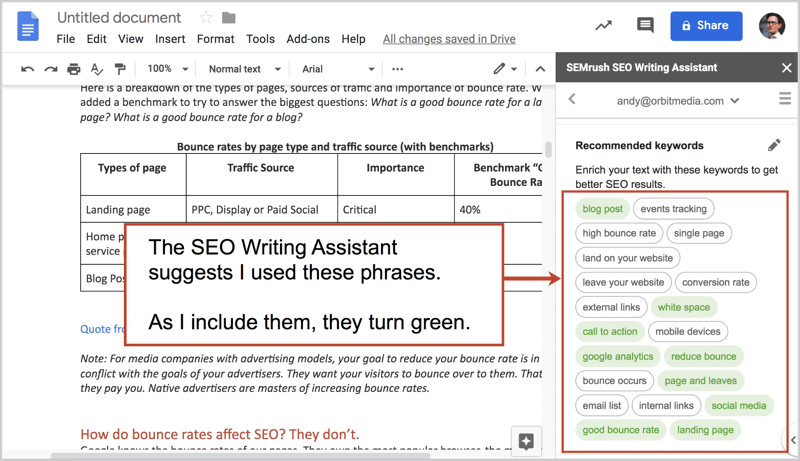
Use Main Keywords Naturally
Include your main keyword (like “how to write blog intros”) in the first 100 words, but don’t stuff it. Read your intro out loud—does it sound natural?
Add Related Phrases
Sprinkle in synonyms or related terms, but focus on clarity first.
Meta Description Connection
Sometimes, your intro is used as a meta description in search results. Make sure it’s clear and compelling.
External resource: For more on bounce rate and SEO, see Moz’s guide to bounce rate.
When To Rewrite Old Blog Intros
Your existing posts could be costing you readers. Here’s when to update intros:
- If bounce rates are above 60%
- If posts rank well but get little engagement
- If your intros are outdated or off-topic
- If you’ve changed your audience focus
How To Update
- Check analytics for high-bounce posts.
- Rewrite intros using the formulas above.
- Track bounce rates for 2–4 weeks to measure impact.
Frequently Asked Questions
How Long Should A Blog Intro Be?
Aim for 50–120 words. This range gives you enough space to hook readers, show value, and set expectations without losing their attention. Shorter intros can feel vague; longer ones often ramble.
Can I Use Questions In Every Intro?
Using questions is a strong technique, but don’t rely on it every time. Mix in facts, stories, or statements for variety. Too many question-based intros can feel repetitive to loyal readers.
What’s A Good Bounce Rate For Blogs?
A bounce rate below 50% is generally strong for blogs. Rates between 40–60% are typical, but lower is better. If your site is above 70%, focus on improving intros, page speed, and overall relevance.
Should I Write The Intro First Or Last?
Many writers draft the body first, then craft the intro. This helps align the opening with the post’s main message. However, if you’re clear on your topic and audience, starting with the intro can work too.
Do Images Or Videos In The Intro Help Reduce Bounce Rate?
Relevant, high-quality images or short videos can improve engagement and reduce bounce rate—if they support your message. Avoid using visuals just for decoration, and always optimize for fast loading.
A great blog intro is more than an opening—it’s your first, best chance to keep readers on your site. By focusing on clarity, value, and connection, you can reduce bounce rates and turn casual visitors into loyal fans. With practice and testing, your intros will become one of your blog’s biggest strengths.


About author









Add comment