

How to Track AI Search Engine Citations With Zerorank AI Easily
Artificial intelligence is changing the way people search for information online. Today, AI search engines like Bing AI, Google SGE, and Perplexity.ai give users instant answers, summaries, and citations from different sources. For website owners, marketers, and content creators, tracking these AI search engine citations is now just as important as traditional SEO. But the process is new and confusing—especially for beginners. Zerorank AI is a tool designed to solve this problem, making it easier to see when and where your content is cited by AI engines. If you want to understand how to track AI search engine citations with Zerorank AI, this guide walks you through every step, provides practical examples, and highlights mistakes you should avoid.
Why Ai Search Engine Citations Matter
Traditional search engines like Google show web pages in search results. You can check your ranking with tools like SEMrush or Ahrefs. But AI search engines work differently. They often present direct answers, pulling information from multiple sources and showing citations at the bottom or in the sidebar. Sometimes, your site is quoted without a visible link. These citations can drive new traffic, build authority, and help you reach wider audiences.
There are three main reasons to track AI citations:
- Visibility: AI engines often summarize information, so your content might be cited even if it’s not ranked #1.
- Traffic Opportunities: Citations can lead to brand exposure, new visitors, and even backlinks.
- Content Strategy: Knowing which articles are cited helps you improve your content, target topics, and stay competitive.
A recent study from Statista shows that 37% of internet users now prefer AI-powered searches for quick answers. As AI search grows, tracking citations becomes critical.
What Is Zerorank Ai?
Zerorank AI is a platform that scans AI search engines and finds citations of your domain or content. It collects data from sources like Bing AI, Google SGE, Perplexity. ai, and others. Zerorank AI highlights which pages are cited, how often, and by which engine.
It also shows where your content appears in AI-generated answers, including snippets and summaries.
The tool uses advanced algorithms to detect mentions, even when the citation isn’t a clickable link. Its dashboard is designed for both beginners and advanced users. You can filter by search engine, page, topic, and date. Zerorank AI also gives you notifications when new citations appear.
The Challenges Of Tracking Ai Citations
Many people assume tracking AI citations is like tracking regular search rankings. But it’s not. AI search engines don’t always show clear links. Sometimes, they cite a domain, a page, or just a paragraph. The citation might be hidden in a summary or shown as a source at the bottom.
Here are common challenges:
- No standard format: AI engines show citations differently. Bing AI might list sources below the answer, while Perplexity.ai shows them in a sidebar.
- Hidden mentions: Sometimes, your content is used without a visible citation.
- Multiple sources: AI answers often combine information from several sites.
- Rapid changes: Citations can appear and disappear quickly as AI updates its answers.
Many website owners miss these citations because they don’t know where to look or how to track them.
How Zerorank Ai Solves These Problems
Zerorank AI was built to handle these unique challenges. It scans AI search engines regularly, detects citations, and organizes the data for easy analysis. Here’s how it works:
- Automated scanning: The platform checks AI search engines several times a day.
- Citation detection: Zerorank AI uses NLP (natural language processing) to find mentions, even when there’s no direct link.
- Source mapping: It links citations to your domain, page, or specific content.
- Custom alerts: You get notified when new citations appear or disappear.
- Clear reporting: The dashboard shows trends, frequency, and details.
This approach helps you see the full picture, even when citations are hidden or scattered across different AI engines.
Credit: appsumo.com
Getting Started With Zerorank Ai
If you’re new to Zerorank AI, setting up is simple. Follow these steps:
- Sign up: Create an account on the Zerorank AI website. Choose the plan that fits your needs.
- Add your domain: Enter your website or specific pages you want to track.
- Set preferences: Choose which AI search engines to monitor (Bing AI, Google SGE, Perplexity.ai, etc. ).
- Configure alerts: Decide how often you want notifications—daily, weekly, or real-time.
- View dashboard: After setup, the main dashboard shows all detected citations.
Here’s a quick example: Imagine you run a health blog. After adding your domain, Zerorank AI finds that your article on “heart health tips” is cited by Bing AI in its answer to “how to improve heart health.” You get an alert and see details in your dashboard.
Zerorank Ai Dashboard: Understanding The Data
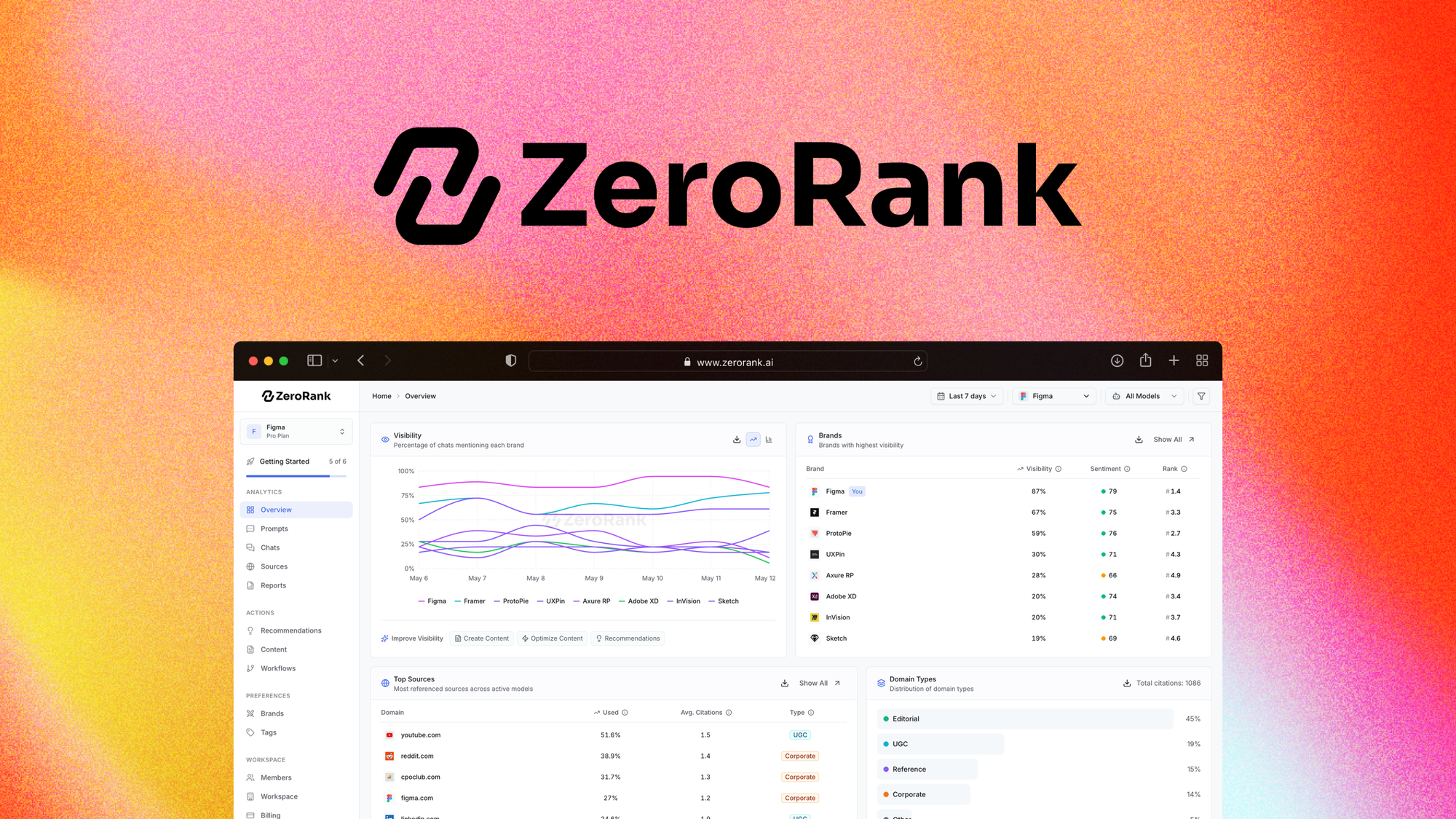
The Zerorank AI dashboard is the core of the platform. It presents data in a clear, visual format, making it easy to see trends and details. Let’s break down the main sections:
- Citation summary: Shows the number of citations per AI engine.
- Top cited pages: Lists your most frequently cited articles.
- Citation timeline: Displays when citations appeared or disappeared.
- AI engine comparison: Lets you compare how different engines cite your content.
Below is an example of how Zerorank AI compares citations across popular AI search engines:
| AI Search Engine | Citations per Month | Top Cited Page | Link Format |
|---|---|---|---|
| Bing AI | 12 | /heart-health-tips | Direct link |
| Google SGE | 8 | /weight-loss-guide | Summary mention |
| Perplexity.ai | 15 | /nutrition-facts | Sidebar citation |
This table shows how different engines cite your pages and what type of citation they use.

Credit: appsumo.com
Tracking Citations: Step-by-step Guide
To track AI search engine citations with Zerorank AI, follow these steps:
- Add all relevant pages: Include your main site and important articles.
- Select AI engines: Choose which engines to monitor. Start with Bing AI, Google SGE, and Perplexity.ai for best coverage.
- Set keywords/topics: Enter keywords or topics related to your content. This helps Zerorank AI focus its scans.
- Review citation alerts: Check your dashboard regularly for new citation notifications.
- Analyze trends: Use the timeline and comparison features to spot patterns—such as which topics are cited most often.
- Export data: Download reports for deeper analysis or share with your team.
For example, if your page “/home-cooking-recipes” is cited by Perplexity. ai, Zerorank AI will show the date, source, and snippet. You can export this data for your records.
Common Mistakes When Tracking Ai Citations
Many beginners make mistakes that limit their results. Here are some to avoid:
- Tracking only your homepage: AI engines often cite specific articles, not just your main site.
- Ignoring smaller AI engines: New AI search engines are emerging all the time. Tracking only the big names misses opportunities.
- Not updating keywords: If your content changes, update your keywords and topics in Zerorank AI.
- Missing citation types: Some citations are hidden in summaries or sidebars. Zerorank AI can find these, but you must review all dashboard sections.
A non-obvious insight: Sometimes, AI citations drive indirect traffic. Users may search for your brand after seeing a citation, even if they don’t click the link.
Advanced Features: Filters, Alerts, And Integrations
Zerorank AI offers advanced tools for deeper tracking:
- Filters: Narrow results by date, engine, page, or citation type.
- Custom alerts: Get notified only about citations for your most important pages.
- Integrations: Connect Zerorank AI with Google Analytics, SEMrush, or Zapier for extra data and workflow automation.
Here’s a comparison of alert options in Zerorank AI:
| Alert Type | Frequency | Use Case |
|---|---|---|
| Real-time | Instant | Breaking news, trending topics |
| Daily | Every 24 hours | Regular monitoring |
| Weekly | Every 7 days | Long-term trends |
Choose the alert type that matches your goals.
How To Improve Your Chances Of Being Cited
Tracking citations is important, but getting cited in the first place is even better. Here are practical tips to boost your chances:
- Write clear, authoritative content: AI engines prefer well-written, factual articles.
- Use structured data: Schema markup helps AI understand your content.
- Focus on niche topics: AI search often looks for specific answers. Cover unique, detailed subjects.
- Update regularly: AI engines favor fresh content.
- Get backlinks: High-authority links make your site more likely to be cited.
A non-obvious tip: Add clear summaries and bullet points to your articles. AI engines love concise information they can easily quote.

Credit: findfahim.com
Monitoring Changes Over Time
AI search engines update their answers frequently. Citations can appear, disappear, or shift between pages. Zerorank AI tracks these changes with a citation timeline. This feature helps you spot trends, such as:
- Which pages gained new citations this month
- When a citation was removed
- Peaks in citation frequency (e.g., after publishing new content)
For example, your “/mental-health-guide” page might see a spike in citations after a new study is published. Zerorank AI highlights this change so you can respond.
Below is a sample timeline from Zerorank AI:
| Date | Page Cited | AI Engine | Status |
|---|---|---|---|
| 2026-06-01 | /mental-health-guide | Bing AI | New citation |
| 2026-06-05 | /mental-health-guide | Perplexity.ai | Citation removed |
| 2026-06-10 | /nutrition-facts | Google SGE | New citation |
This timeline shows when citations change, helping you react quickly.
Using Citation Data For Content Strategy
The real power of Zerorank AI comes from using citation data to improve your content and SEO. Here’s how:
- Identify top-performing pages: Focus on articles that are cited most often. Update and promote these.
- Spot content gaps: Look for topics where your competitors are cited but you aren’t.
- Adjust keywords: If certain keywords trigger citations, use them more in your content.
- Plan new articles: Write about topics that AI engines frequently cite.
For example, if you see that your “/home-cooking-recipes” page is cited often, but your “/quick-meal-ideas” isn’t, you might rewrite or expand the latter.
Real-world Example: Health Blog Case Study
Let’s look at a practical example. Imagine you own a health blog with 100 articles. You want to know which pages are cited by AI search engines.
- Setup: You add your domain and main articles to Zerorank AI.
- Tracking: The platform scans Bing AI, Google SGE, and Perplexity.ai.
- Results: Zerorank AI finds that your “/heart-health-tips” page is cited 15 times in Bing AI answers, 8 times in Google SGE, and 12 times in Perplexity.ai.
- Analysis: You see that AI engines prefer your heart health content. You update these articles, add new tips, and improve your summaries.
- Strategy: You use citation data to write new articles on related topics, boosting your chances of future citations.
This approach helps you focus your content strategy and grow your audience.
Comparing Zerorank Ai With Other Citation Tools
Zerorank AI is not the only tool for tracking AI search citations, but it’s one of the most specialized. Here’s how it compares to traditional SEO tools:
| Feature | Zerorank AI | Traditional SEO Tools |
|---|---|---|
| AI citation tracking | Yes | No |
| AI engine coverage | Bing AI, Google SGE, Perplexity.ai, more | Google, Bing (classic) |
| Citation types | Direct, summary, sidebar | Direct links only |
| Alerts & timeline | Advanced | Basic |
| Integrations | Yes | Yes |
Zerorank AI focuses on AI search engine citations, while traditional tools track classic search rankings.
Practical Tips For Beginners
If you’re just starting, here are some practical advisor tips:
- Start small: Track your main site and top articles first. Expand as you learn.
- Check dashboard weekly: AI citations change fast. Regular review helps you stay updated.
- Use filters: Narrow results to focus on important pages or engines.
- Export reports: Save data for analysis or share with your team.
- Combine with SEO tools: Use Zerorank AI data alongside SEMrush or Ahrefs for a complete view.
A beginner mistake is ignoring the timeline feature. Citation changes matter—review them to understand what’s working.
The Future Of Ai Search Citations
AI search engines are evolving quickly. Citations will become more important as users rely on AI for answers. Tools like Zerorank AI will help website owners, marketers, and creators track their visibility and adapt their strategies.
Experts predict that by 2026, over 50% of searches will be AI-powered. Early adopters who track and optimize for AI citations will have a big advantage.
Frequently Asked Questions
What Are Ai Search Engine Citations?
AI search engine citations are mentions of your website, article, or content in answers provided by AI-powered search engines. These citations may include direct links, summary mentions, or sidebar references. They are important for visibility and authority.
How Does Zerorank Ai Detect Citations?
Zerorank AI uses advanced algorithms and natural language processing to scan AI search engines. It finds mentions, even when there is no clickable link, and maps them to your domain or pages. The platform checks engines like Bing AI, Google SGE, and Perplexity.ai.
Can Zerorank Ai Track Citations From All Ai Search Engines?
Zerorank AI covers popular engines like Bing AI, Google SGE, and Perplexity. ai. It adds new engines as they launch. Some smaller or private AI search engines may not be covered, but Zerorank AI updates its coverage regularly.
How Often Should I Check My Zerorank Ai Dashboard?
For best results, check your dashboard weekly. If you want to monitor breaking news or trending topics, use real-time alerts. Regular checks help you spot citation changes and update your content strategy.
Is Zerorank Ai Suitable For Small Websites?
Yes, Zerorank AI is designed for both small and large websites. You can track a single domain or multiple pages. The platform scales with your needs, making it a good choice for beginners and professionals.
AI search engine citations are a new frontier in SEO and online visibility. Tracking them with Zerorank AI gives you a clear view of your content’s reach in the age of artificial intelligence. By understanding how and where your articles are cited, you can improve your strategy, build authority, and stay ahead of competitors. For more details about the evolution of AI search, visit Wikipedia. As AI search grows, tools like Zerorank AI will become essential for anyone who wants to succeed online.


About author








Add comment