
Low Cost Email Tracking System Software Lifetime Deal: Save Big
Low Cost Email Tracking System Software Lifetime Deal
Email communication is a powerful tool for businesses, freelancers, and marketers. But sending an email is only half the story. Knowing if your message was opened, read, or ignored can change the way you work. This is where email tracking systems step in. For those with a limited budget, finding a reliable and affordable solution is essential. Even better is securing a lifetime deal—a one-time payment for software you can use forever.
This article explores the world of low cost email tracking software with lifetime deals. You’ll discover how these tools work, what to consider before buying, and which options are worth your attention. Whether you’re a small business owner, startup founder, or solo professional, you’ll find practical advice to help you choose a system that boosts your productivity without breaking the bank.
Why Email Tracking Matters
In today’s fast-paced world, emails can get lost in crowded inboxes. Knowing if your message reached the right person and was opened helps you follow up at the right time. Here’s how email tracking benefits you:
- Increase response rates: If you see someone opened your email but didn’t reply, you know when to send a gentle reminder.
- Measure campaign success: Marketers can track which emails get the most opens or clicks.
- Build better relationships: Sales teams can time their follow-ups perfectly.
- Save time: Stop guessing who read your message and focus on leads who are interested.
For example, if you send a proposal to a potential client and see it was opened three times, you know they are interested. This insight helps you respond faster and close deals sooner.
How Email Tracking Systems Work
Email tracking tools usually add a small, invisible image (called a tracking pixel) to your message. When the recipient opens the email, their device loads the image from the software’s server, signaling an “open.” Some systems also track link clicks or attachments.
There are two main types:
- Web-based platforms: These work with any email address and often offer dashboards with analytics.
- Email client plugins: Add-ons for tools like Gmail or Outlook that track emails directly from your inbox.
Most solutions show you details like:
- When your email was opened (date and time)
- How many times it was opened
- Which links were clicked
- The recipient’s location (approximate, based on IP address)
- Device or platform used (mobile/desktop)
However, it’s important to remember that email tracking is not always 100% accurate. Some users block images or use privacy tools that can stop tracking.
Understanding Lifetime Deals
A lifetime deal means you pay once, usually a discounted price, and use the software for life. This is different from a subscription, where you pay monthly or yearly. Many SaaS (Software as a Service) companies use lifetime deals to attract early users and build their reputation.
Here’s why lifetime deals are popular:
- No recurring fees: Save money in the long run.
- Budget-friendly: Great for startups or small businesses.
- Immediate access: Get all features without waiting.
But be careful. Not all lifetime deals are equal. Some companies may go out of business, or limit features for lifetime users in the future. Always check the provider’s history and user reviews before buying.
Key Features To Look For
Every email tracking tool offers something different. Before you buy, consider the features that matter most for your business. Here’s a breakdown:
Essential Features
- Email open tracking: Know when and how often your emails are opened.
- Link click tracking: See which links attract attention.
- Notifications: Get real-time alerts when someone reads your message.
- Dashboard analytics: Easy-to-understand reports and stats.
- Multiple email support: Track across various accounts or team members.
- Attachment tracking: Know if files are downloaded (if needed).
Advanced Features
- CRM integration: Sync data with your sales or marketing tools.
- Custom branding: Use your own logo or domain.
- Team collaboration: Share insights with coworkers.
- Automation: Set up follow-up sequences based on tracking events.
- GDPR/Privacy compliance: Ensure your tracking follows legal rules.
Practical Considerations
- Ease of use: The tool should be simple to set up and use daily.
- Support: Good customer service is essential for troubleshooting.
- Scalability: Will the tool grow with your business?
- Reliability: Track record of uptime and data accuracy.
Two features beginners often overlook: team collaboration (sharing tracking data with coworkers) and custom branding (making emails look more professional and trustworthy).
Comparing Low Cost Email Tracking Solutions
Many email tracking tools compete for your attention. But not all offer lifetime deals or keep costs low. Here’s a side-by-side look at some popular options that frequently offer lifetime plans, along with their main features.
| Software | Lifetime Deal Price | Best For | Key Features | Notable Limitations |
|---|---|---|---|---|
| Snov.io | $59 (one-time) | Marketers & Sales Teams | Email/open/link tracking, CRM, automation | Limits on monthly emails |
| MailTag | $49 (one-time) | Freelancers & Small Teams | Open/click tracking, scheduling, Gmail plugin | No Outlook integration |
| Mailtrack | $39 (one-time, via deals) | Gmail Users | Unlimited tracking, real-time alerts | No click/link tracking on free plan |
| SalesHandy | $59 (one-time, via LTD) | Teams & Agencies | Open/click tracking, automation, templates | Some features limited on LTD |
| GMass | $99 (one-time, rare offer) | Bulk Senders | Mass emails, tracking, mail merge | Lifetime deal not always available |
Prices are based on recent lifetime deal offers and may change. Always check the official site or deal platform for current pricing.
Benefits Of A Low Cost Lifetime Deal
Choosing a low cost lifetime deal for your email tracking system brings several advantages:
- Predictable cost: One payment, no surprises.
- Greater ROI: You save more over time compared to monthly subscriptions.
- No lock-in: If you dislike the tool, you can switch without losing much money.
- Updates included: Most lifetime deals offer updates and bug fixes.
For example, if you pay $59 for a lifetime plan and use the tool for three years, your monthly cost is less than $2. Compare this to a typical $10/month subscription, and the savings are clear.

Credit: findfahim.com
Top Lifetime Deal Platforms To Watch
Most lifetime deals are not sold directly from the software’s main website. Instead, they appear on deal platforms that specialize in software offers. Here are the most reliable places to find new deals:
- AppSumo: The largest and most trusted deal site. Regularly features email tracking tools.
- StackSocial: Offers tech deals and lifetime software bundles.
- PitchGround: Focuses on SaaS deals for startups and marketers.
- SaasMantra: Curates lifetime deals for business software.
- DealMirror: Features affordable tools for digital marketers.
Signing up for these platforms’ newsletters will help you catch limited-time offers before they expire.
Common Buyer Mistakes
It’s easy to get excited about low prices, but there are common mistakes to avoid:
- Ignoring feature limits: Some deals cap the number of tracked emails per month.
- Overlooking support: Not all lifetime deal tools offer the same level of customer service as full-price plans.
- Missing refund policies: Check if the deal allows refunds in case the software does not fit your needs.
- Forgetting updates: Some deals offer only minor updates, not major new features.
- Not checking compatibility: Make sure the tool works with your email provider (Gmail, Outlook, etc. ).
A less obvious mistake: Buying a lifetime deal for a tool that you’ll outgrow in six months. Always consider if the software will still meet your needs as your business grows.

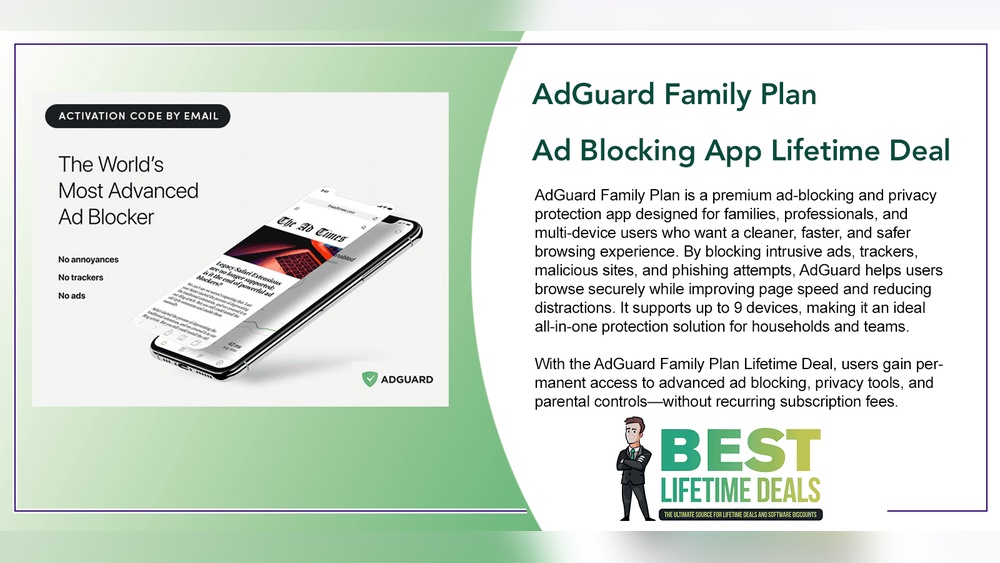
Credit: bestlifetimedeals.com
What Drives The Cost Down?
You might wonder why some software companies offer such low prices for lifetime access. The reasons include:
- Customer acquisition: Attracting early users helps build a reputation and collect feedback.
- Funding development: Lifetime deals provide quick cash flow for new features.
- Market competition: Standing out in a crowded field can be tough.
- Upsells: Some companies hope you’ll buy add-ons or refer others.
One insight: Early adopters of lifetime deals often influence a product’s future roadmap. Your feedback could directly improve the software.
Email Tracking And Privacy
Tracking emails raises questions about privacy. Here are some things to remember:
- Legal compliance: Make sure your use of tracking follows GDPR and other privacy laws, especially if you email people in Europe.
- User consent: Some countries require you to inform recipients about tracking.
- Respect boundaries: Don’t overuse tracking, especially with sensitive communications.
Many tracking tools offer options to anonymize data or turn off tracking for specific messages. Choose a tool that respects both your needs and your recipients’ privacy.
How To Set Up A Low Cost Email Tracking Tool
Getting started with email tracking is usually straightforward. Here’s a general guide:
- Choose your software: Pick a tool that fits your budget and features.
- Install the plugin or app: Follow setup instructions for your email client (Gmail, Outlook, etc. ).
- Connect your account: Log in and grant the tool access to your email.
- Send a test email: Make sure tracking works—check the dashboard for open notifications.
- Set notifications: Adjust settings so you get alerts in a way that suits you (desktop, email, mobile).
- Review analytics: Use the dashboard to monitor results and adjust your approach.
Some tools need browser extensions, while others work entirely online. If you run into issues, check the software’s help center or reach out to their support team.
Real-world Use Cases
Low cost email tracking is not just for sales teams. Here are some creative and practical ways people use these tools:
- Freelancers: See if clients read proposals or invoices.
- Recruiters: Track if job candidates open interview invites.
- Customer support: Confirm receipt of important updates or instructions.
- Educators: Check if students open assignment emails.
- Event planners: Monitor RSVP responses for events.
For example, a wedding planner sends out vendor contracts and tracks which have been opened, ensuring nothing gets lost. Similarly, a freelance designer can follow up only with clients who opened their quote.
Lifetime Deal Vs. Subscription: A Data Comparison
To help you decide, here’s a comparison of typical costs over three years for a small business using an email tracking tool.
| Plan Type | Upfront Cost | Monthly Cost | Total Cost (3 Years) | Support/Updates |
|---|---|---|---|---|
| Lifetime Deal | $59 | $0 | $59 | Usually included |
| Monthly Subscription | $0 | $10 | $360 | Included |
| Yearly Subscription | $0 | $100/year | $300 | Included |
Over time, lifetime deals offer significant savings. However, subscriptions may provide faster customer support or new features.
What To Expect From Customer Support
Support quality can vary between lifetime deal tools and traditional subscriptions. Here’s what to look for:
- Response time: Is support fast and helpful?
- Channels: Can you contact support via chat, email, or phone?
- Knowledge base: Is there a robust online help section?
- User community: Some tools have forums or Facebook groups for peer support.
It’s common for lifetime deal users to get slower support or priority after regular subscribers. Consider this if your business depends on fast help.
Integration With Other Tools
Many businesses use more than just email tracking—they rely on CRM systems, marketing automation, or project management software. Before you buy, check if your tracking tool connects with:
- Salesforce
- HubSpot
- Zoho CRM
- Slack
- Zapier
Integration makes it easier to automate workflows, such as adding contacts to your CRM when they open an email.
Tips For Getting The Most From Your Email Tracking Software
Here are practical ways to maximize your investment:
- Segment your contacts: Track important clients separately from bulk lists.
- Automate follow-ups: Use tracking events to trigger reminders or new emails.
- Test subject lines: See which messages get the most opens.
- A/B test links: Try different call-to-actions and track clicks.
- Review analytics monthly: Use data to refine your email strategy.
A common beginner mistake is tracking every email. Instead, focus on important communications—proposals, invoices, sales pitches, and support updates.
The Risk Of Lifetime Deals: What To Watch Out For
While lifetime deals are attractive, there are some risks to be aware of:
- Company closure: If the software company shuts down, you lose access.
- Feature reduction: Sometimes, new features are not included for lifetime users.
- Hidden costs: Some deals charge extra for “premium” features.
- No future support: If the company stops updating the tool, it may become less useful.
Reduce risk by choosing tools with a large user base, positive reviews, and a clear business model.
How To Spot A Reliable Lifetime Deal
Watch for these signs of a trustworthy offer:
- Transparent terms: All features and limits are clearly listed.
- Active community: Check for user groups or forums.
- Regular updates: The company shares release notes or a roadmap.
- Refund window: You can get your money back if the tool isn’t right for you.
Avoid deals with vague promises, no website, or very few reviews. If a deal seems too good to be true, research before buying.
Case Study: Small Agency Success Story
A marketing agency with five employees switched from a $40/month email tracking tool to a $69 lifetime deal. In the first year, they saved over $400. Using the software, they improved follow-up timing, closing 30% more deals. The real-time notifications helped them act quickly when clients opened proposals.
The agency also benefited from team tracking. Each member saw which emails were opened, reducing overlap and missed opportunities.
This example shows that even small teams can see big results from the right lifetime deal.
Industry Trends And Future Outlook
The email tracking software market is growing. More companies are offering lifetime deals to attract early users. At the same time, privacy laws are tightening, so tools are adding consent features and better data controls.
In the future, expect to see:
- AI-powered insights: Predict when to follow up based on recipient behavior.
- Deeper integrations: Email tracking will work with even more business tools.
- More user control: Options to respect privacy and customize tracking per message.
If you buy a lifetime deal, choose a tool that regularly updates and adapts to new trends.
Sample Workflow: Using Email Tracking For Sales
Here’s how a sales professional can use a low cost email tracking tool with a lifetime deal:
- Send an introduction email to a prospect.
- Receive a notification when the email is opened.
- Wait for a link click (e.g., proposal attached).
- If no reply in 24 hours, send an automated follow-up.
- Record all activity in CRM via integration.
- Close the deal and move to the next contact.
This workflow saves time and keeps the sales process organized.
Feature Comparison: Top 3 Lifetime Deal Email Tracking Tools
To help you compare at a glance, here’s a quick feature breakdown of three popular tools.
| Feature | Snov.io | MailTag | SalesHandy |
|---|---|---|---|
| Open Tracking | Yes | Yes | Yes |
| Click Tracking | Yes | Yes | Yes |
| Attachment Tracking | No | No | Yes |
| CRM Integration | Yes | No | Yes |
| Automation | Yes | No | Yes |
| Gmail Support | Yes | Yes | Yes |
| Outlook Support | No | No | Yes |
| Team Features | Yes | No | Yes |
Check each provider’s site for the latest features, as updates are frequent.
Credit: www.systemhub.com
Final Thoughts
A low cost email tracking system software lifetime deal is a smart investment for anyone who relies on email to build relationships, close sales, or manage projects. For a one-time fee, you get valuable insights into your communications, helping you make data-driven decisions and improve your workflow.
Success comes from choosing the right tool, understanding your real needs, and using the data to take action. Be cautious—always research the company and read reviews before buying a lifetime deal. And remember, the best tool is the one you’ll use every day.
For more background on the concept of lifetime software deals, you can read this SaaS overview on Wikipedia.
Frequently Asked Questions
What Is A Lifetime Deal For Email Tracking Software?
A lifetime deal is a one-time payment that gives you permanent access to an email tracking tool. Unlike subscriptions, you don’t pay monthly or yearly fees. These deals are often available for a limited time and are popular with startups and small businesses.
Are Lifetime Deal Tools Safe And Reliable?
Most lifetime deal tools are safe if bought from trusted platforms like AppSumo or StackSocial. However, there is always some risk—if the company closes, support or updates may stop. Check user reviews and the company’s reputation before buying.
Can I Use These Tools With Gmail Or Outlook?
Many low cost email tracking systems work with Gmail via browser plugins. Some also support Outlook, but not all. Always check compatibility with your email provider before purchasing a deal.
How Does Email Tracking Affect Privacy?
Email tracking uses invisible pixels to log opens and clicks. Some recipients may not like being tracked, and privacy laws (like GDPR) may require you to inform them. Choose tools with privacy controls and use tracking responsibly.
Where Can I Find Current Lifetime Deals On Email Tracking Software?
The best places to find lifetime deals are platforms like AppSumo, StackSocial, and PitchGround. Sign up for their newsletters to get notified about new offers before they expire.
With the right low cost email tracking system and a smart lifetime deal, you’ll turn your inbox into a powerful source of insight and growth—without stretching your budget.


About author








Add comment