
How to Write Converting Headlines for Facebook Video Ads That Sell
Crafting headlines for Facebook video ads is both an art and a science. A great headline can make people stop scrolling, pay attention, and take action. But many marketers struggle to find the right words that actually convert viewers into customers.
If you want your Facebook video ads to perform better, learning how to write converting headlines is essential.
Most users scroll fast on Facebook. You have just a few seconds to grab their attention. Your video thumbnail might catch their eye, but it’s the headline that hooks them. It tells the viewer why they should care. It can make the difference between someone clicking “Watch” or moving on.
This guide will show you step by step how to write headlines for Facebook video ads that get results. You’ll learn proven techniques, see real examples, discover mistakes to avoid, and get practical tips you can use today. Whether you’re new to Facebook ads or want to improve your campaigns, you’ll find everything you need here.
Why Facebook Video Ad Headlines Matter
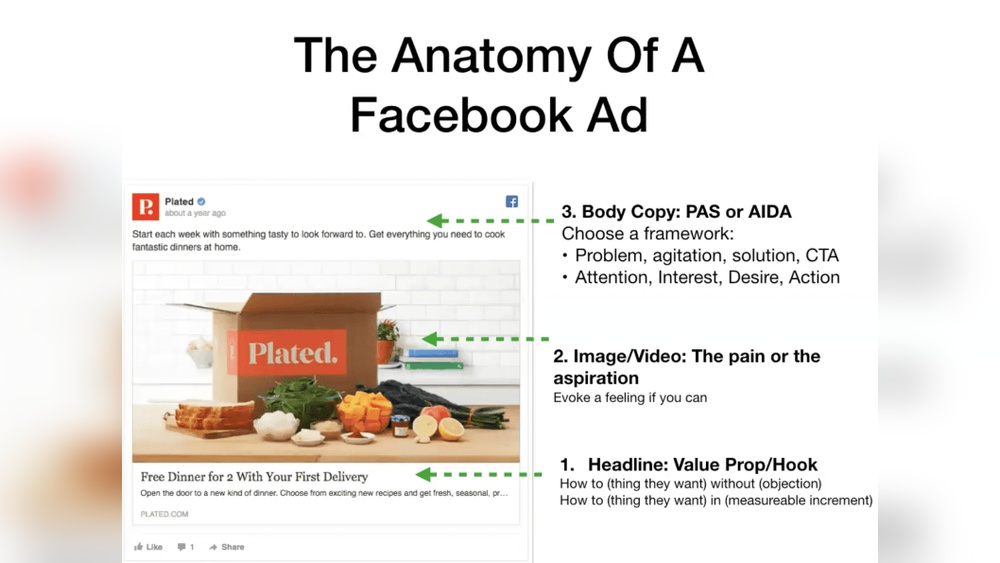
Headlines are not just decoration. In Facebook video ads, the headline is the text right below your video. It’s often the first thing people read after seeing your thumbnail. It helps set expectations for the video content and can boost engagement, clicks, or sales.
Research shows that:
- 80% of people read headlines, but only 20% read the rest of the content.
- Facebook video ads with clear, strong headlines get up to 40% more clicks than those without.
- Short, direct headlines outperform longer ones by about 25% in most campaigns.
The headline also works together with your video and description. If your video is engaging and your headline is clear, viewers are more likely to watch, click, or share. If your headline is confusing or boring, even a great video might get ignored.
How Facebook Video Ad Headlines Work
To write effective headlines, you need to understand how they appear and how viewers interact with them.
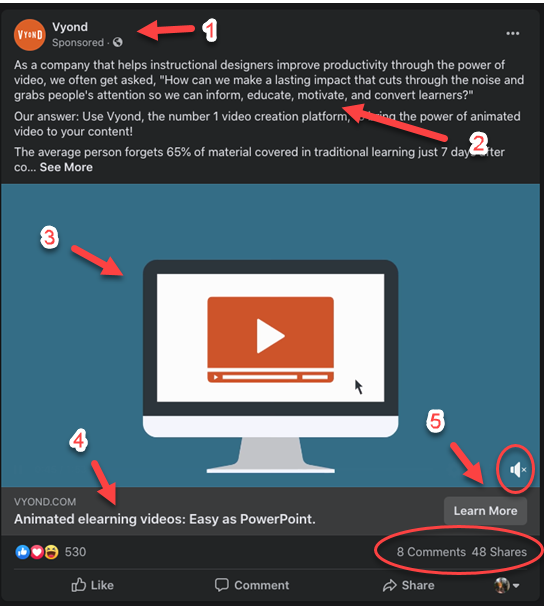
- Placement: The headline shows below the video and above the description. It’s visible on desktop and mobile.
- Character Limit: Facebook recommends keeping headlines under 40 characters for best visibility. Longer headlines may be cut off.
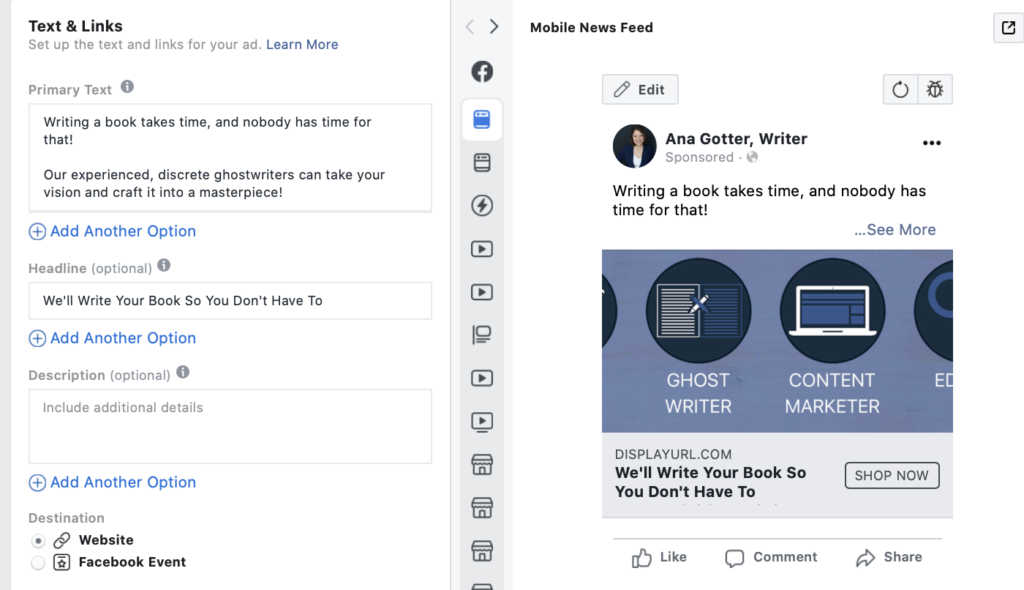
- Purpose: The headline should make people want to watch the video and take action. It’s your “hook.”
If your headline doesn’t match your video content or offer, viewers can feel tricked or disappointed. Consistency is key.
Credit: adespresso.com
What Makes A Headline Convert?
A converting headline does more than grab attention. It turns viewers into leads or buyers. Here are factors that help headlines convert:
- Clarity: The headline is easy to understand.
- Relevance: It matches the viewer’s needs or interests.
- Curiosity: It makes people want to know more.
- Value: It shows a benefit or solution.
- Urgency: It suggests why viewers should act now.
Let’s look at some examples:
- “Save 50% Today on All Running Shoes” (Value + Urgency)
- “How to Lose Weight Without Dieting” (Curiosity + Value)
- “Your Dream Home Is Waiting – See Inside” (Relevance + Curiosity)
Notice these headlines are short, clear, and focus on what matters to the viewer.
The Science Behind Headline Effectiveness
Many marketers rely on intuition, but data shows what works. Facebook’s own research and studies from marketing firms reveal patterns:
- Headlines with numbers (“3 Tips”, “50% Off”) get higher engagement.
- Using power words like “discover,” “free,” “now,” or “easy” boosts clicks.
- Asking questions can increase curiosity and interaction.
Here’s a comparison of headline styles and their performance:
| Headline Style | Average Click-Through Rate (CTR) | Conversion Rate |
|---|---|---|
| Numbered List | 2.3% | 1.1% |
| Question | 1.9% | 0.9% |
| Benefit-Focused | 2.7% | 1.3% |
| Generic | 1.2% | 0.5% |
Clearly, benefit-focused and numbered list headlines perform best.
Step-by-step Guide To Writing Converting Headlines
Let’s walk through a proven process to create headlines that convert.
1. Know Your Audience
Before writing, understand who you’re targeting. What are their pain points? What do they want? For example, if you sell skincare, your audience might care about clear skin, fast results, or natural ingredients.
Ask yourself:
- What problems does my product solve?
- What emotions do my viewers feel?
- What language do they use?
2. Identify The Main Benefit
Every headline should promise a clear benefit. What will the viewer gain by watching your video or clicking?
Examples:
- “Get Flawless Skin in 7 Days”
- “Double Your Productivity with This Simple Trick”
The benefit must be real and relevant.
3. Use Power Words
Power words are terms that make headlines stronger. They create excitement or urgency.
Some popular power words:
- Free
- Easy
- Now
- Secret
- Proven
- Save
- Discover
Try to include at least one power word in your headline.
4. Keep It Short And Clear
Facebook recommends under 40 characters. Short headlines are easier to read, especially on mobile. Cut out extra words.
Bad: “Learn how you can improve your running skills with our new advanced training video series”
Good: “run Faster With This Simple Video”
Short and clear wins every time.
5. Match Your Video Content
The headline must match what’s in your video. If you promise “easy tips,” show easy tips. If you mention “50% off,” include that offer in your video.
Consistency builds trust.
6. Add Urgency Or Curiosity
Urgency makes people act now. Curiosity makes them want to learn more.
Urgency examples:
- “Offer Ends Tonight”
- “Limited Stock Available”
Curiosity examples:
- “The Secret to Perfect Coffee”
- “Why Most Diets Fail”
7. Test Different Headlines
Don’t settle for your first headline. Test several options. Facebook lets you run A/B tests to see which headline gets more clicks or conversions.
Run two or three headlines for the same ad. Compare the results after a week.
Here’s a simple table showing how A/B testing can help:
| Headline | Impressions | Clicks | CTR |
|---|---|---|---|
| Lose Weight Fast – No Diet Needed | 10,000 | 220 | 2.2% |
| How to Shed Pounds in Weeks | 10,000 | 160 | 1.6% |
| Get Slim Without Starving | 10,000 | 180 | 1.8% |
Pick the headline with the highest CTR.
Examples Of High-converting Headlines
Looking at real examples helps you understand what works. Here are headline examples from different industries:
- Fitness: “Burn Fat in 15 Minutes – No Equipment Needed”
- Beauty: “Reveal Your Glow – Try Our New Serum”
- Tech: “Save Time with This Smart App”
- Education: “Get Certified – Start Learning Today”
- Food: “Taste the Difference – Fresh Ingredients Only”
Notice the focus on benefit, clarity, and urgency.
Common Mistakes To Avoid
Even experienced marketers make mistakes. Avoid these to improve your results:
- Too Long: Headlines over 40 characters get cut off, making them hard to read.
- Vague Language: “Amazing offer” or “Great deal” are too generic.
- Overpromising: Don’t promise what your video can’t deliver.
- Misleading: If your headline says “Free,” but there’s a hidden cost, viewers will feel cheated.
- Ignoring Mobile: Most viewers use Facebook on mobile. Test your headline on small screens.
Advanced Headline Techniques
If you want to go beyond basics, try these advanced tips:
Use Emotional Triggers
Headlines that tap into emotions can increase conversions. Words like “fear,” “joy,” “hope,” or “relief” can make your offer feel more personal.
Example: “stop Worrying About Money – Watch Now”
Personalize When Possible
Using words like “you,” “your,” or “my” feels more direct.
Example: “discover Your Perfect Workout”
Include Social Proof
Mention numbers or facts that show others trust you.
Example: “trusted By 10,000 Happy Customers”
Use Negative Headlines
Sometimes showing what could go wrong grabs attention.
Example: “don’t Make These Common Tax Mistakes”
Combine Techniques
Mix curiosity, urgency, and benefit for maximum impact.
Example: “Last Chance – Unlock the Secret to Fast Weight Loss”
How To Research Winning Headlines
Many marketers struggle because they don’t study what works. Here’s how to research headlines for your Facebook video ads:
- Check Competitor Ads: Look at what your competitors are running. Facebook Ad Library lets you see real ads.
- Study Top Brands: Brands like Nike, Apple, and Amazon use strong headlines. Analyze their style.
- Look at Organic Posts: Sometimes posts that go viral have headlines you can adapt.
- Use Headline Analyzers: Tools like CoSchedule’s Headline Analyzer rate your headlines for quality and engagement.
- Gather Data: Track your own ad performance over time. Note which headlines perform best.
How To Use Data To Improve Headlines
Don’t guess. Use data from your campaigns to make decisions.
- Click-Through Rate (CTR): Shows how many people clicked your ad after seeing it.
- Conversion Rate: Shows how many people took your desired action (buy, sign up, etc. ).
- Cost Per Click (CPC): Lower CPC means your headline is working better.
Here’s a comparison of headline impact:
| Headline | CTR (%) | CPC ($) | Conversion Rate (%) |
|---|---|---|---|
| Get Your Free Guide Now | 2.8 | 0.42 | 1.4 |
| Discover the Top 5 Secrets | 2.5 | 0.47 | 1.2 |
| Start Saving Today | 2.1 | 0.50 | 1.1 |
The headline “Get Your Free Guide Now” performs best across all metrics.
Practical Tips For Writing Headlines
Here are actionable tips you can use immediately:
- Write 5-10 headlines for each ad, then pick the best.
- Read your headline out loud to check for clarity.
- Avoid jargon and technical terms.
- Use active voice (“Save Money” vs. “Money Can Be Saved”).
- Focus on one main idea per headline.
- Preview your headline on both desktop and mobile.
- Keep testing — never stop improving.
Real-world Case Studies
Seeing how others succeed can inspire your own campaigns.
Case Study 1: E-commerce Store
A fitness store ran two Facebook video ads:
- Headline 1: “Buy Our New Yoga Mats”
- Headline 2: “Transform Your Workout – Save 30% Today”
Result: Headline 2 got 35% more clicks and 25% more sales. The focus on transformation and savings worked better.
Case Study 2: Online Course
An online language course tested:
- Headline 1: “Learn English with Our App”
- Headline 2: “Speak English Confidently – Try Free Demo”
Result: Headline 2 had a higher CTR and lower CPC. Confidence and a free demo helped.
Case Study 3: Food Delivery
A restaurant used:
- Headline 1: “Order Food Online”
- Headline 2: “Hungry? Get Hot Pizza in 30 Minutes”
Result: Headline 2 drove 40% more orders. The urgency and benefit were clear.
How To Write Headlines For Different Goals
Your headline should match your campaign objective.
For Brand Awareness
Focus on what makes your brand unique.
- “Experience the Difference – Join Us Today”
- “Your Trusted Partner for Quality”
For Lead Generation
Offer something valuable.
- “Get Your Free Quote Now”
- “Download Our Guide – Limited Time”
For Sales
Highlight deals and urgency.
- “Shop Now – 50% Off Ends Soon”
- “Unlock Exclusive Discounts Today”
For Event Promotion
Make the event sound exciting and urgent.
- “Don’t Miss Out – Register Now”
- “Join the Fun – Tickets Selling Fast”
How To Combine Headline And Video For Maximum Impact
A headline alone can’t do everything. It must work with your video content.
- Match your headline to your video’s main message
- Use the same tone and style
- Preview your ad as a viewer would see it
- Avoid clickbait — don’t trick people
If your headline promises “Easy Steps,” make sure your video shows easy steps. If your headline mentions “Limited Offer,” your video should explain the offer.

Credit: copyhackers.com
Headline Formulas You Can Use
Sometimes formulas help you get started. Here are proven headline templates:
- “How to [Benefit] in [Time]”
- “How to Get Clear Skin in 7 Days”
- “[Number] Ways to [Achieve Goal]”
- “3 Ways to Save Money Fast”
- “Get [Result] Without [Pain Point]”
- “Get Fit Without Expensive Gym Fees”
- “Unlock [Secret/Benefit] Now”
- “Unlock the Secret to Perfect Sleep”
- “Why [Problem] Happens and How to Fix It”
- “Why Diets Fail and How to Succeed”
Use these as a starting point, then adapt to your product and audience.
How To Avoid Clickbait (and Still Convert)
Clickbait headlines promise too much and rarely deliver. They can hurt your brand and reduce trust.
Signs of clickbait:
- Over-the-top promises (“You Won’t Believe This Trick!”)
- Misleading claims (“Free iPhone for Everyone!”)
- Too much hype (“Best Ever!”)
Instead, focus on real benefits and clear value. If you use curiosity, make sure your video delivers.
How To Write Headlines For Different Types Of Videos
Not all video ads are the same. Your headline should fit your video type.
Tutorial Videos
- “Learn How to Bake Perfect Bread”
- “Step-by-Step Guide to Painting”
Product Demos
- “See Our Smartwatch in Action”
- “Watch How Our Vacuum Cleans Better”
Testimonials
- “Hear What Our Customers Say”
- “Real Stories – Real Results”
Storytelling
- “Discover Our Journey – Watch Now”
- “See How We Helped John Save Money”
Promotional Offers
- “Flash Sale – Ends Midnight”
- “Buy One, Get One Free Today”
How To Edit And Improve Headlines
Editing is key. Here’s how to refine your headlines:
- Cut extra words. Keep only what matters.
- Check for clarity. Will a stranger understand?
- Make it specific. Avoid vague terms.
- Use numbers or facts. This adds credibility.
- Ask for feedback. Show your headline to a friend or colleague.
How To Write Headlines For Non-english Audiences
If your viewers are not native English speakers, keep headlines extra simple.
- Use common words.
- Avoid slang or idioms.
- Keep sentences short.
- Focus on the main benefit.
Example: Instead of “Unlock Your Inner Potential,” write “Improve Your Skills Fast.”
Tools For Writing And Testing Headlines
You don’t have to do everything manually. Use these tools:
- CoSchedule Headline Analyzer: Rates headline quality.
- Facebook Ad Library: See real-world examples.
- Google Trends: Find popular terms.
- Grammarly: Checks grammar and clarity.
- WordCounter: Counts characters for Facebook limits.
Using tools can save time and improve results.
How To Keep Improving Your Headline Skills
Headline writing is a skill. The more you practice, the better you get.
- Study top-performing ads often.
- Write headlines every day.
- Test new ideas.
- Learn from your data.
- Stay up to date with Facebook changes.
A non-obvious insight: Over time, you’ll notice patterns in what your audience responds to. Keep a swipe file of headlines that work and revisit them.
Frequently Asked Questions
What Is The Ideal Length For A Facebook Video Ad Headline?
The ideal headline length is under 40 characters. This ensures your headline appears fully on both desktop and mobile. Longer headlines may be cut off, reducing impact.
Should I Use Questions In My Facebook Video Ad Headlines?
Yes, using questions can increase curiosity and engagement. For example, “Ready to Save Money? ” makes viewers think and may prompt them to watch your video. Just make sure the question is relevant to your offer.
How Many Headlines Should I Test For Each Facebook Video Ad?
It’s best to write and test 3-5 headlines per ad. Use Facebook’s A/B testing tools to see which performs best. This increases your chances of finding a headline that converts well.
What Are Common Mistakes When Writing Facebook Video Ad Headlines?
Common mistakes include using vague language, making headlines too long, overpromising, and ignoring mobile users. Always keep headlines clear, direct, and relevant to your video content.
Where Can I Find Inspiration For Facebook Video Ad Headlines?
You can look at the Facebook Ad Library, study top brands, use headline analyzer tools, and review your own data. Inspiration often comes from real-world examples and ongoing testing. For more insights, check reputable marketing sites like WordStream.
Writing headlines that convert for Facebook video ads is a skill you can develop. By focusing on clarity, benefits, and testing, you’ll increase your ad performance and reach your goals faster. Remember, the headline is your hook — make it count.
Every campaign is a chance to learn and improve.
Credit: adespresso.com


About author








Add comment